Skin Procedures

Scar Management & Revision

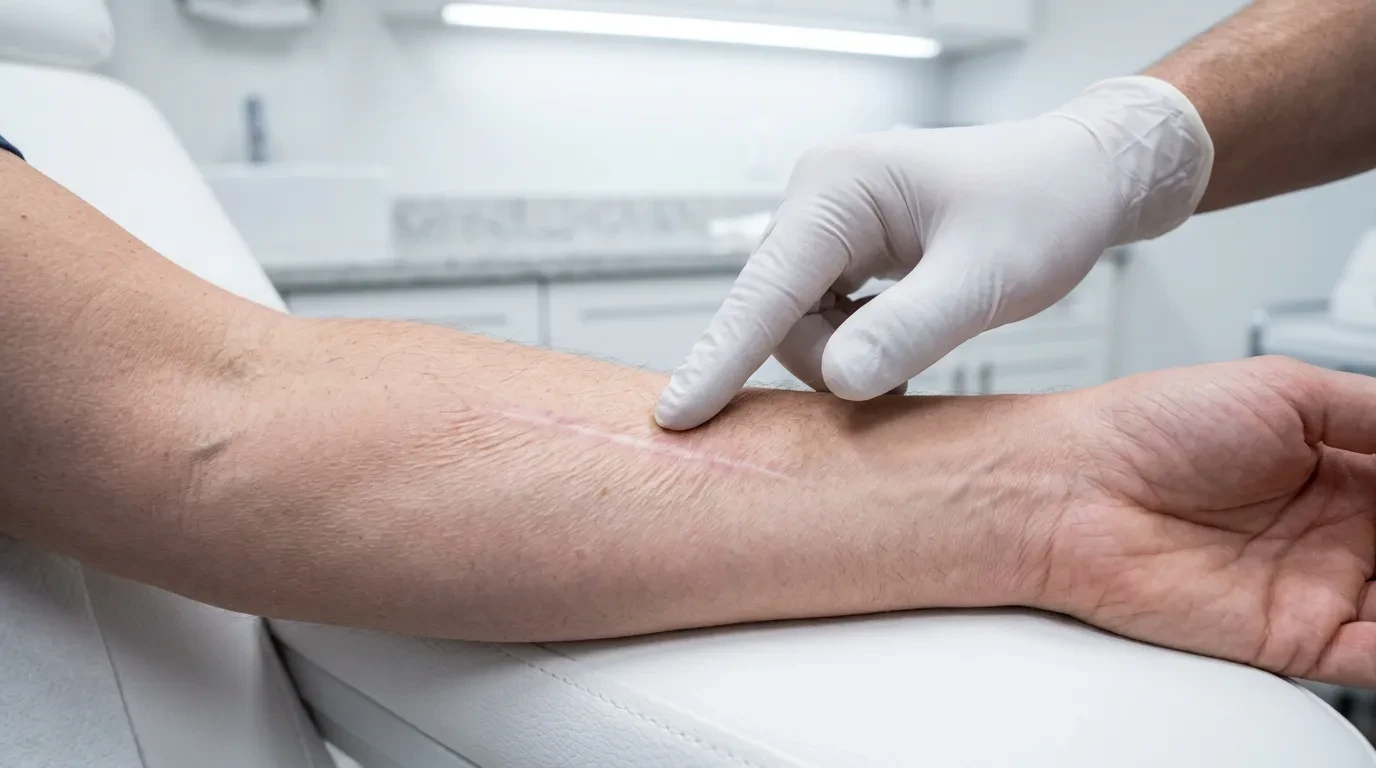
Surgery and treatments that make an established scar narrower and flatter, or hide it along a natural line, so it draws less attention.

  • Office or operating room
  • Local anesthetic
  • 30 to 90 minutes
  • Desk work in 1 to 3 days
Scar Management & Revision at Barrie Plastic Surgery

Concerns it addresses

What scar management & revision treats

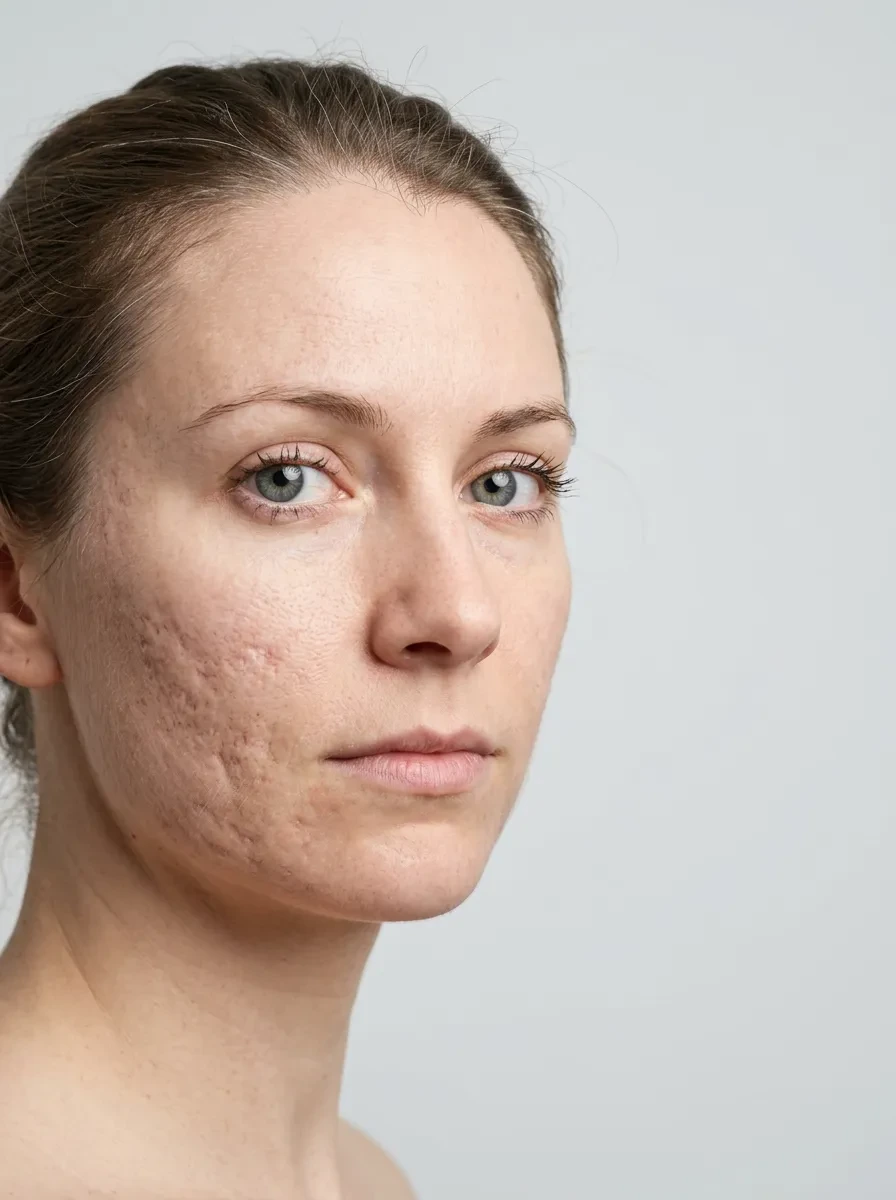
Acne Scars & Skin Texture

Acne Scars & Skin Texture

Shallow acne scarring is improved with microneedling, Morpheus8 or a laser; deep individual pits are sometimes released or excised first.

Treatments+

Also considered for this concern: BBL Photofacial, Chemical Peels, HALO Laser and Microneedling with Exosomes.

Causes+

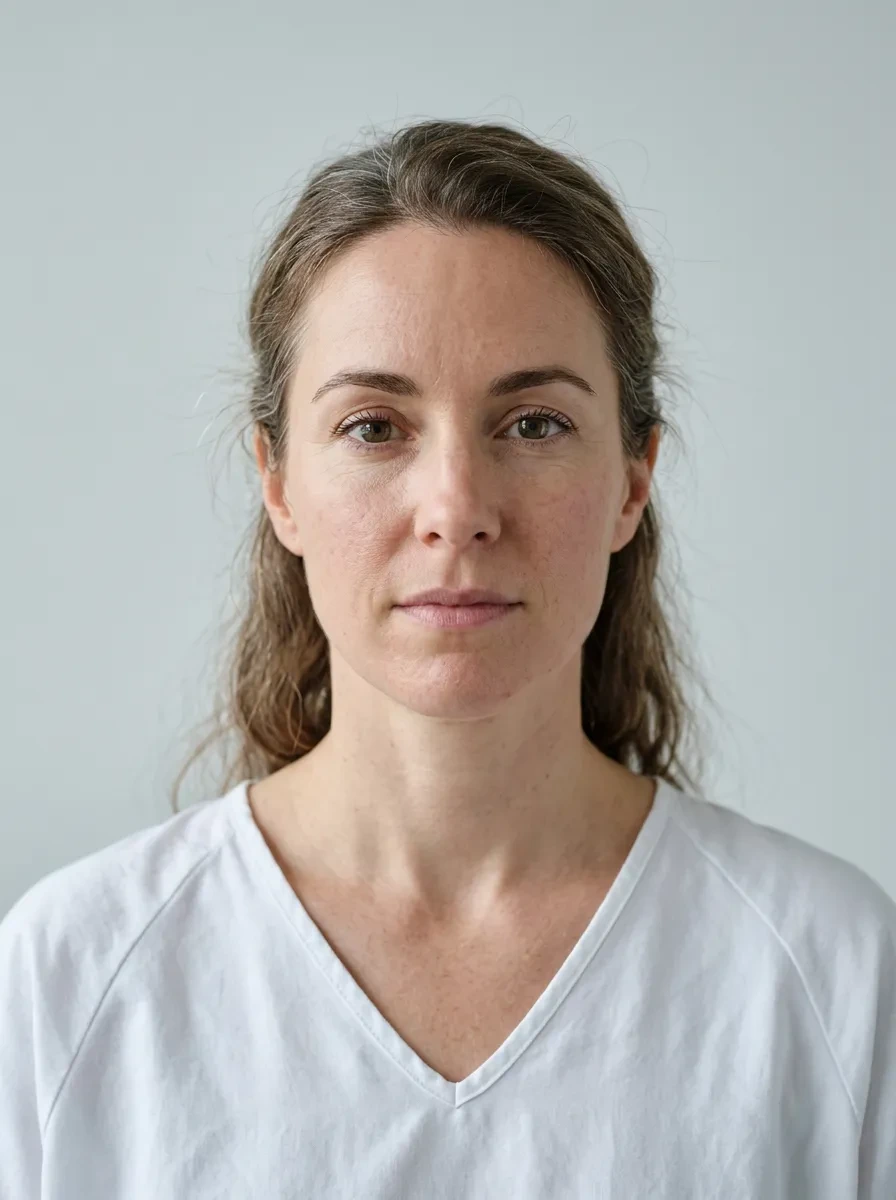
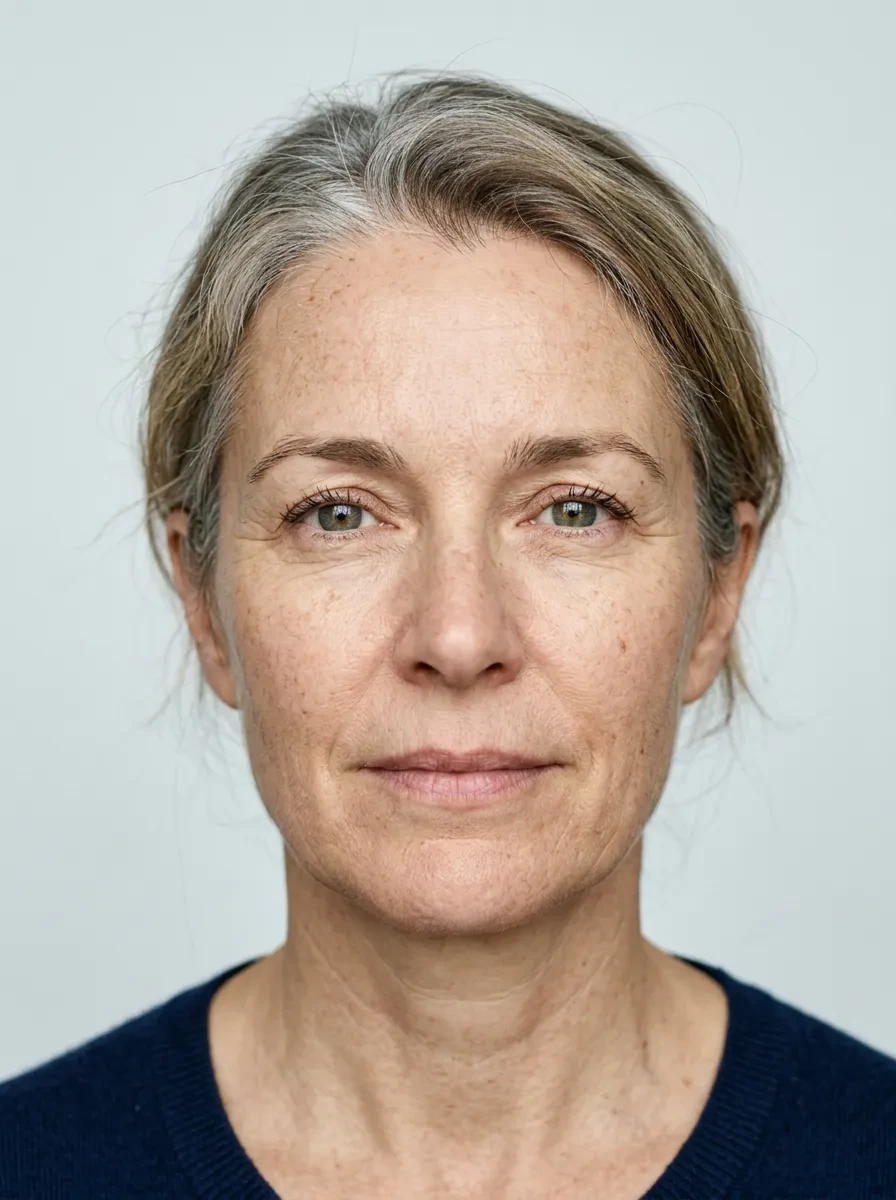
Acne leaves four kinds of mark, and each responds to a different treatment. Ice-pick and boxcar scars, Rolling scars, Rough texture and enlarged pores, Post-inflammatory marks.

Read about the concern
Tap to flip

What to expect

From consultation to final result

The stages below are typical for this procedure. Your own timeline is confirmed at the consultation.

Tap to flip

The first week

What is normal

Most patients have mild soreness and swelling at the site for a few days. The dressing stays dry for the first two days. Sutures come out between five and fourteen days, depending on where the scar sits on the body. Once they are out, you tape the scar or put silicone on it.

Tap to flip

Weeks two to six

Getting back to normal

Most patients are back at desk work in one to three days. Avoid exercise that stretches the site for two to three weeks. Keep tapes or silicone on the new scar for several months, as instructed. Keep the sun off it for the first year.

Tap to flip

The result

How long it lasts

A revised scar takes twelve to eighteen months to mature, and it is judged then. Most revisions leave a narrower, flatter, paler scar than the one it replaced. How much better it looks depends on the scar, its site and how your skin heals.

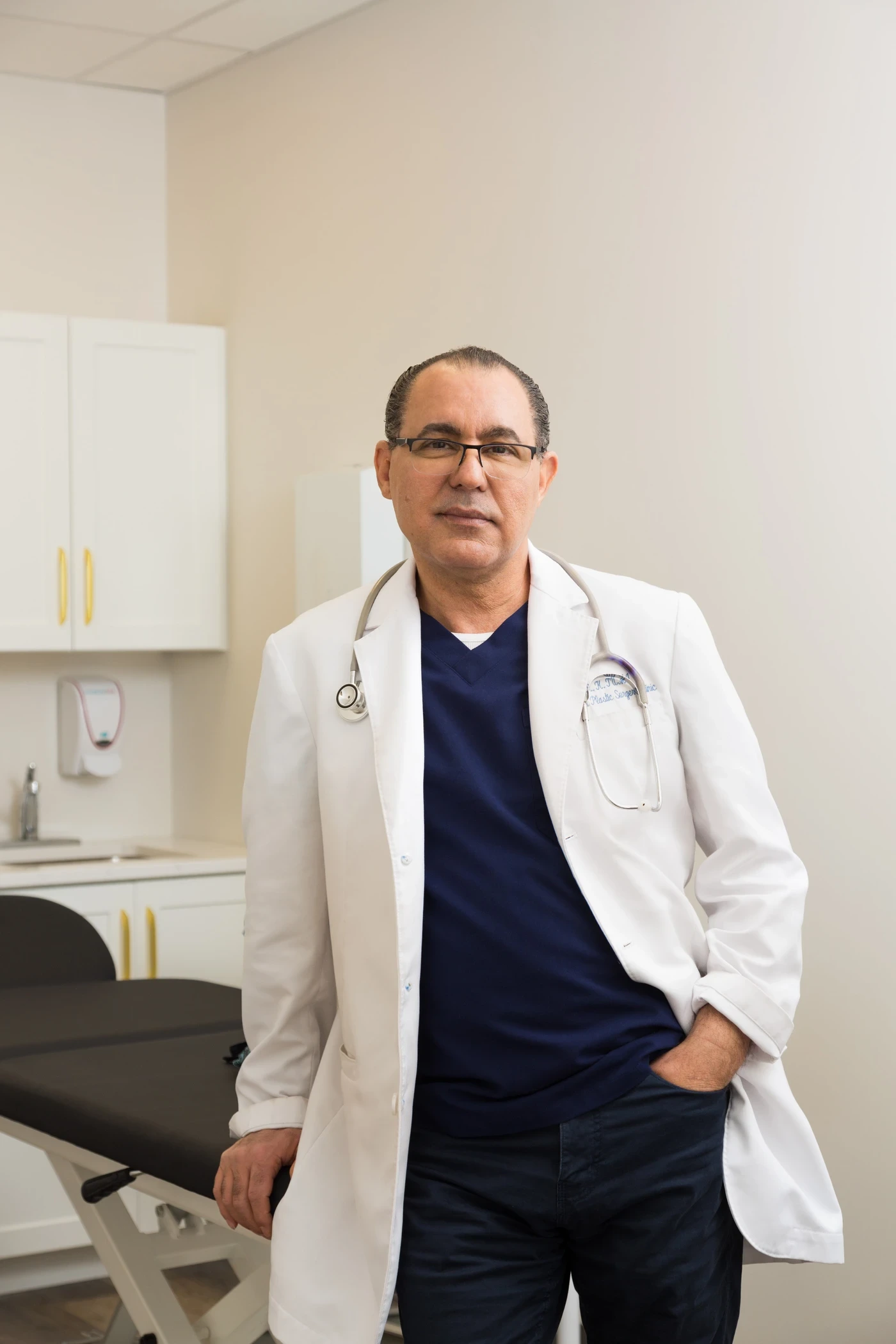
Dr. Kamal Tumi, plastic surgeon, Barrie Plastic Surgery

Who performs it

Assessed and performed by a board-certified plastic surgeon

Dr. Kamal Tumi performs the procedure. He is a board-certified plastic surgeon, M.D., F.R.C.S.(C). He has more than 28 years in practice and over 3,500 surgeries performed.

Dr. Kamal Tumi, M.D., F.R.C.S.(C), is certified by the Royal College of Physicians and Surgeons of Canada as a specialist in plastic surgery. He completed his specialist training at McMaster University and a plastic surgery fellowship at the University of Toronto. More than 28 years in practice, over 3,500 surgeries performed.

Consultant plastic surgeon at Royal Victoria Regional Health Centre in Barrie since 2004. A hospital appointment means credentials reviewed by peers and the ability to manage complications directly.

You will not meet one person at the consultation and find someone else in the room. In his own words: "I will not do a surgery on you if you do not need it."

Google reviews

What patients say

Patient reviews from Google, names attached. 4.3 average across 67 reviews.

I had my first consultation with Dr. Tumi, and he was beyond fabulous. From the jump, he shook my hand and introduced himself to my daughter and I. He included her in the conversation and even had some laughs with her. This made the situation alot less vulnerable given the reason I was there. He is the second surgeon that I have met with, and wasn't going to be my last, until I decided he was the last. It is because of his honesty, integrity, authenticity and professionalism, that made my choice. I saw some comments in the reviews where people stated he made them feel uncomfortable while getting undressed and for me that did not happen. He was respectful of my space and was sure I was covered appropriately. I went to see him for a breat augmentation and Dr. Tumi did not think an augmentation would be required. I really appreciated that about him, because the first surgeon I met, insisted this procedure, despite me only wanting a lift with fat transfer. This is a huge cost savings for me, and more natural for my body type, and in my opinion. Dr. Tumi did not make me feel rushed with any questions and time was not ever an issue for him. He wanted to be sure I knew all that I needed. His office manager Karyn, was absolutely wonderful and easy to connect with. She took her time to discuss things that I did not think of and even called me over the weekend when I emailed her some more questions. This is above and beyond care. My surgery is April 20th and I know I am in good hands. I will follow this up with further reviews in the future and have no doubt it will be 5 stars across the board. One last thing... of all the reviews, I paid attention to the ones where the patients actually had surgery, not the ones who were disgruntled about the office staff or OHIP issues. After all, it is the surgeon we want precision with, isn't it? Thanks Karyn and Dr. Tumi, for making me comfortable and content.

SL

Stephanie Leblanc

Google Review
I had a great experience with Dr. Tumi and Karyn throughout my entire surgical journey. They were both incredibly kind, patient, and always took the time to answer all of my questions. From my first consultation to my follow-up appointments, they made me feel comfortable, supported, and well cared for. I would highly recommend this clinic to anyone considering.

C

Claire

Google Review

I had a great experience from start to finish. The service was professional, everything was explained clearly, and the overall experience was positive. I would definitely recommend this place to others.

V

Victoria

Google Review

What happens, in order

Scar Management & Revision, start to finish

What scar management & revision involves at each stage, from the first consultation through to the result.

Step 01 · Consultation

The consultation

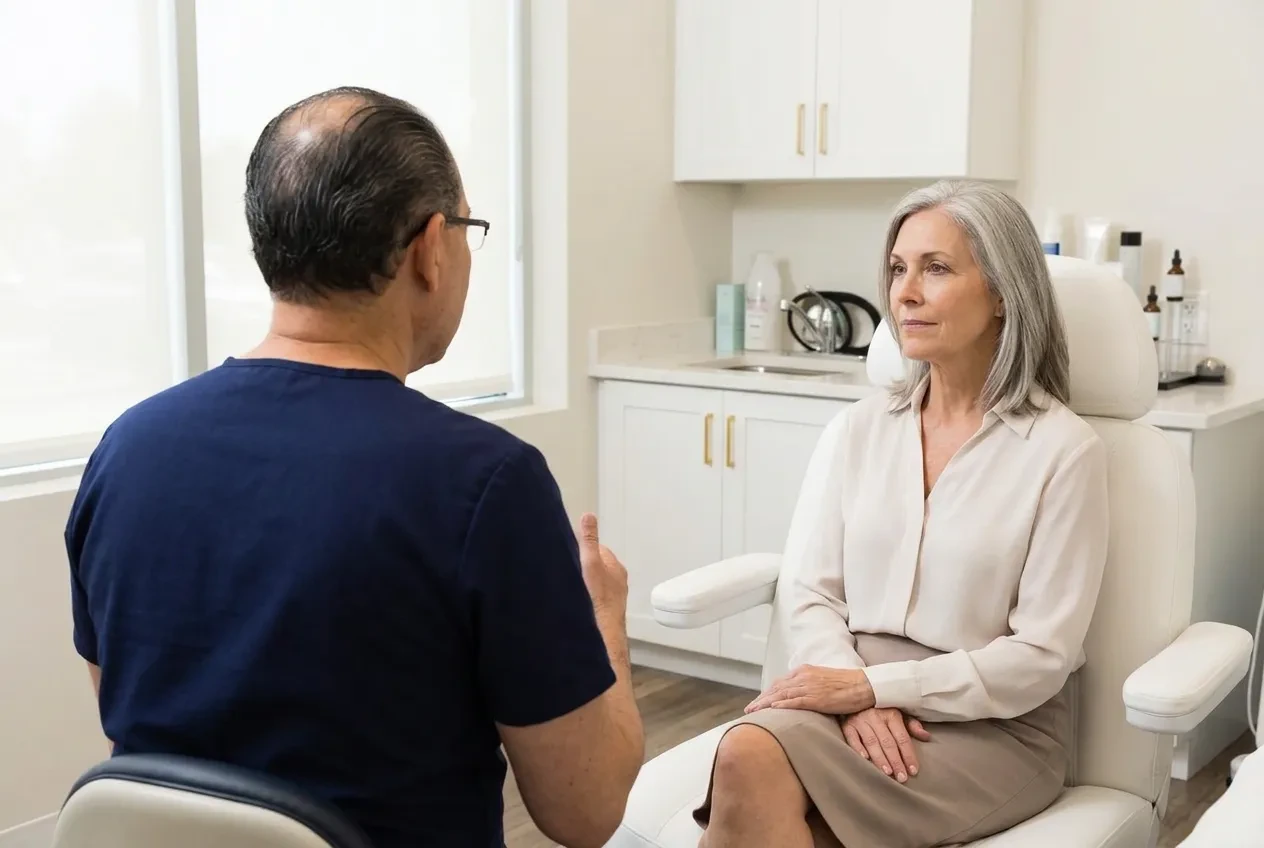
A consultation is an assessment and a conversation, and you are not committing to anything by having one.

  • Assessment of what is actually causing what you see
  • What can be done, what cannot, and what it involves
  • A written quote once the assessment is done
Scar Management & Revision treatment process
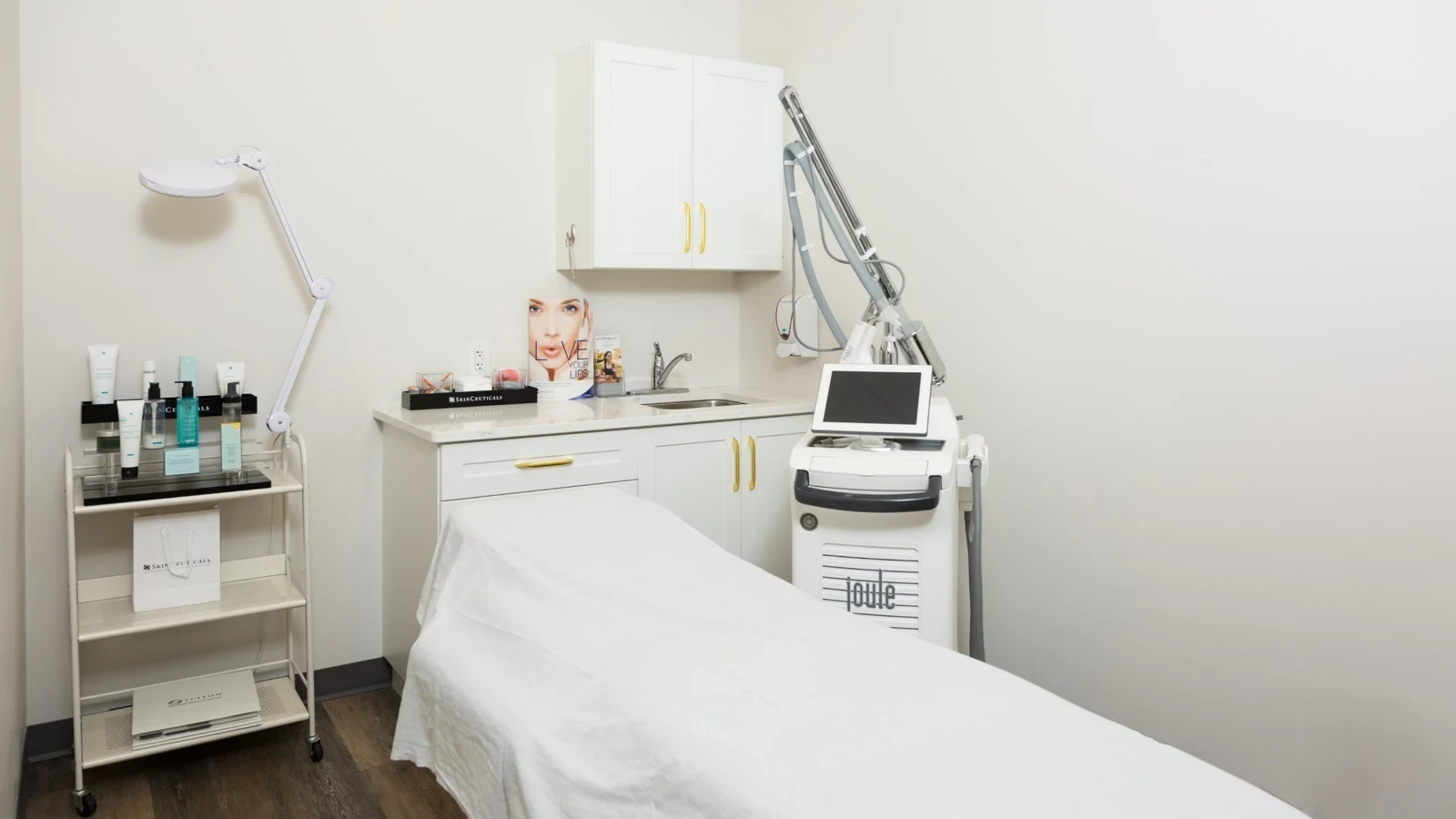
The in-office procedure room at Barrie Plastic Surgery
Before and Afters

Patient Transformations

Most cases here are patients of this practice, shown with consent. Cases marked “Clinical case” are supplied by the manufacturer. Each practice case followed an assessment by Dr. Tumi and a plan built around that person's anatomy. Results vary by individual.

  • Patients of this practice and labelled clinical cases
  • Assessed and treated by the same surgeon
  • Results that look like you, only rested

For educational purposes only. Individual results may vary. Patients consent for photos obtained.

An assessment and a conversation.

You do not need to arrive knowing which procedure you want. Describing what bothers you is enough. You are not committing to surgery by booking a consultation.

Frequently asked questions

Scar Management & Revision questions,
answered

The cost depends on the method, the size of the scar and the number of sessions, so it is quoted at the consultation rather than before it. Not covered by OHIP. Financing is available through Beautifi, Medicard and Credit Medical.

Typically thirty to ninety minutes for a surgical revision, and a few minutes for an injection session; you go home straight afterwards.

Most revisions are done under local anesthetic in the office procedure room. A larger revision can be done with sedation. A large or complex scar is treated in an operating room, which is decided at the consultation.

One to three days to desk work, two to three weeks to exercise that stretches the site. The new scar matures over twelve to eighteen months.

The numbing stings for a few seconds; after that most patients feel pressure rather than pain. The site is mildly sore for a few days, managed with ordinary pain relief.

Yes. Revision replaces one scar with a better one, typically narrower, flatter and paler. Where possible it is placed along a natural line. The new scar is judged once it has matured, at twelve to eighteen months. ---

A better scar, judged at twelve to eighteen months. How much better depends on the scar, the site and how your skin heals.

Timing comes first: a scar needs about twelve months to mature, and operating on one still settling tends to produce a worse result than waiting would. After that, the question is whether the scar is wide, raised, tethered or badly enough placed to improve on. The outcome is a better scar, and being clear about that is part of the assessment.