Hooded & Droopy Eyelids
Hooded & Droopy Eyelids
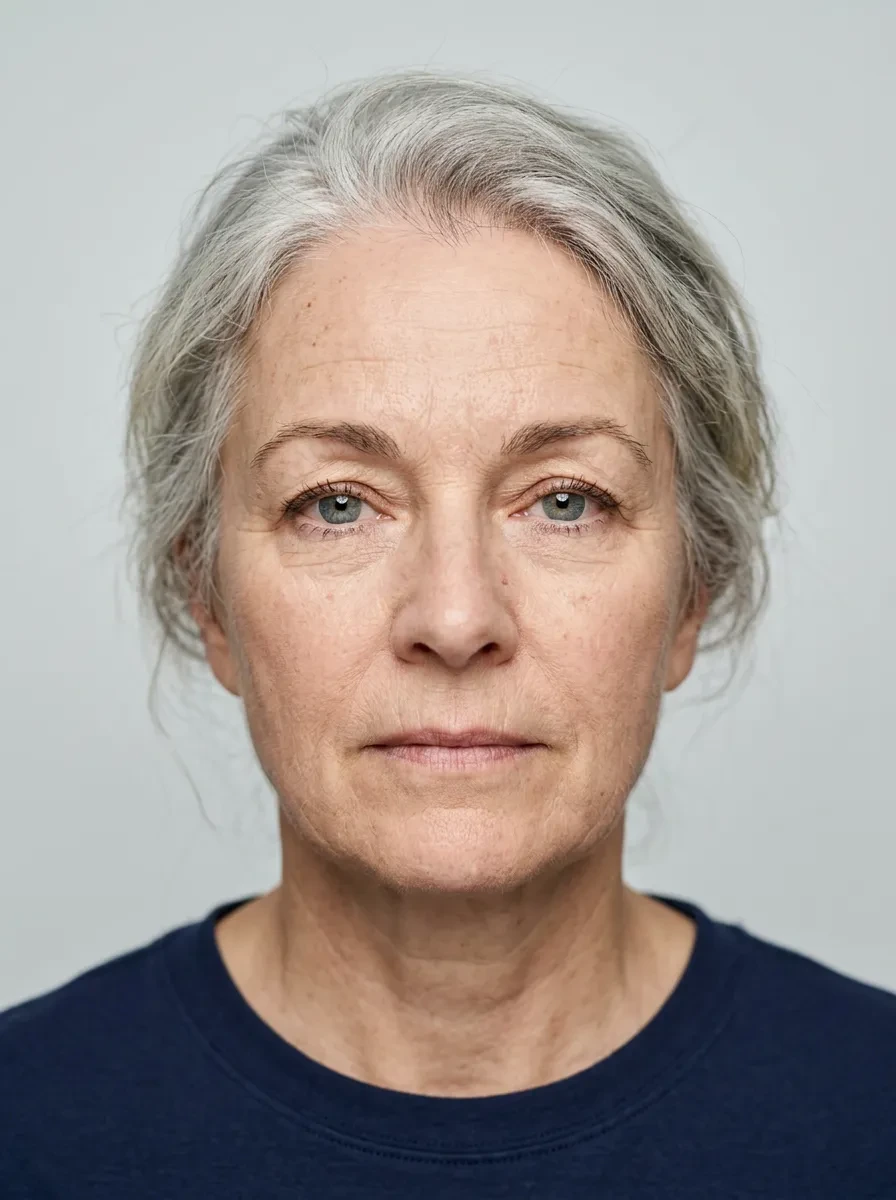
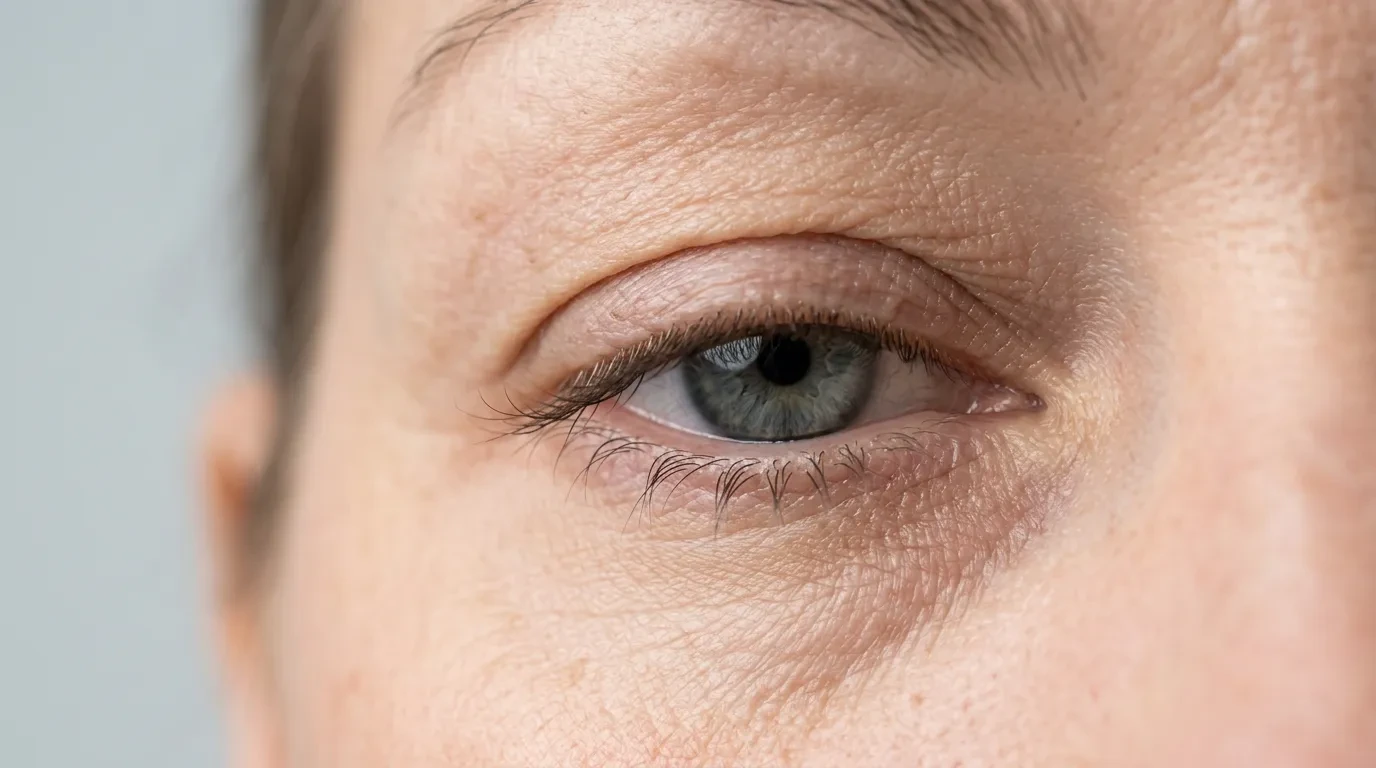
"I hate the way I look in pictures." The eyes look tired when you are not, and the lid has started to disappear under a fold of skin. Most people notice it in a photograph before they notice it in the mirror. The eyes look smaller and heavier than they feel. Eye makeup vanishes into a crease that is no longer there. In the worst cases the skin rests on the lashes and blocks part of what you can see. The change comes on slowly, over years. That is why it is easy to dismiss, until one picture makes it hard to.
Hooded & Droopy Eyelids
Hooded & Droopy Eyelids
"I hate the way I look in pictures." The eyes look tired when you are not, and the lid has started to disappear under a fold of skin. Most people notice it in a photograph before they notice it in the mirror. The eyes look smaller and heavier than they feel. Eye makeup vanishes into a crease that is no longer there. In the worst cases the skin rests on the lashes and blocks part of what you can see. The change comes on slowly, over years. That is why it is easy to dismiss, until one picture makes it hard to.
WHAT CAUSES IT
Why it happens
Four different things produce the same tired-looking eye, and each is treated differently. The four look alike in the mirror and behave differently under examination. That is why the cause is settled at an assessment first. The right treatment follows the cause, and the cause is not always the one a patient assumes.
01
Loose skin
The upper-lid skin has lost elasticity and gathered into a fold above the lashes. This is the most common cause and the simplest to correct.
02
A low brow
The brow has descended and is pushing the lid skin down from above, so the lid looks hooded even though there is little excess skin on it.
03
A weak lifting muscle
This is ptosis. The lid genuinely sits lower over the eye rather than being covered by skin, and no amount of skin removal opens it.
04
Puffiness from fat
The fat pads around the eye have shifted forward, so the lid looks full and heavy rather than folded.
WHAT ACTUALLY TREATS IT
What actually treats hooded eyelids in Barrie
Four different things produce the same hooded eye, and each one has a different answer. Some of those answers are surgical and some are not, and both routes are available here. The consultation decides which cause is yours.
Upper Eyelid Skin Tightening
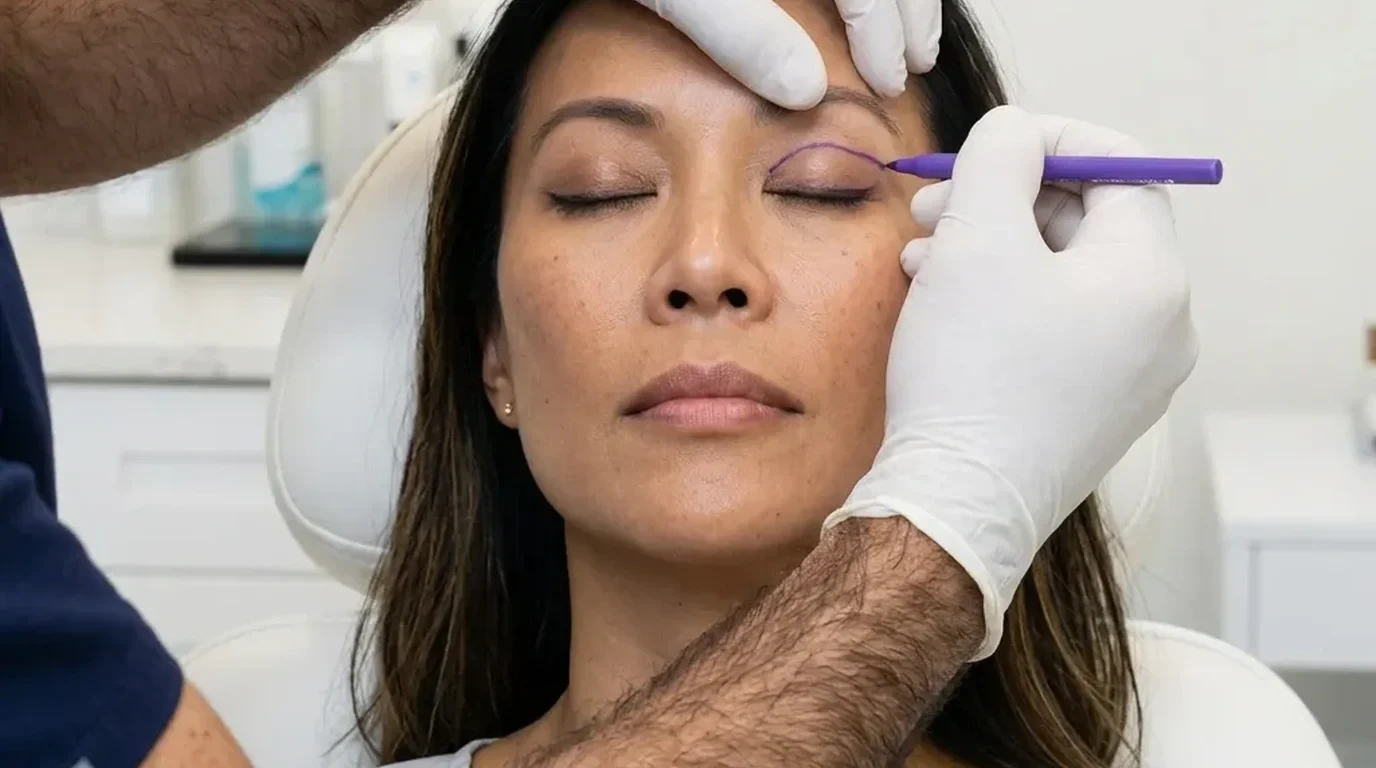
An office procedure that removes the fold of excess skin gathered above the lashes. Dr. Tumi performs it under local anesthetic, with no operating room and no general anesthetic.
People whose hooding is loose skin and nothing else, with the brow sitting where it should and no puffiness from fat below. If the brow is what is pushing the lid down, removing lid skin only makes the brow drop further, so this is not the route.
The incision sits in the natural crease of the lid and the fold of skin is removed through it. The line is hidden whenever the eye is open and fades over the following months. The result holds for years, though the lid keeps aging with the rest of the face.
You are marked while sitting upright, the lid is numbed, and you are home the same day. Bruising and swelling are at their most visible in the first week and largely gone by two. Sutures come out at about five to seven days, and desk work resumes in about a week.
Blepharoplasty
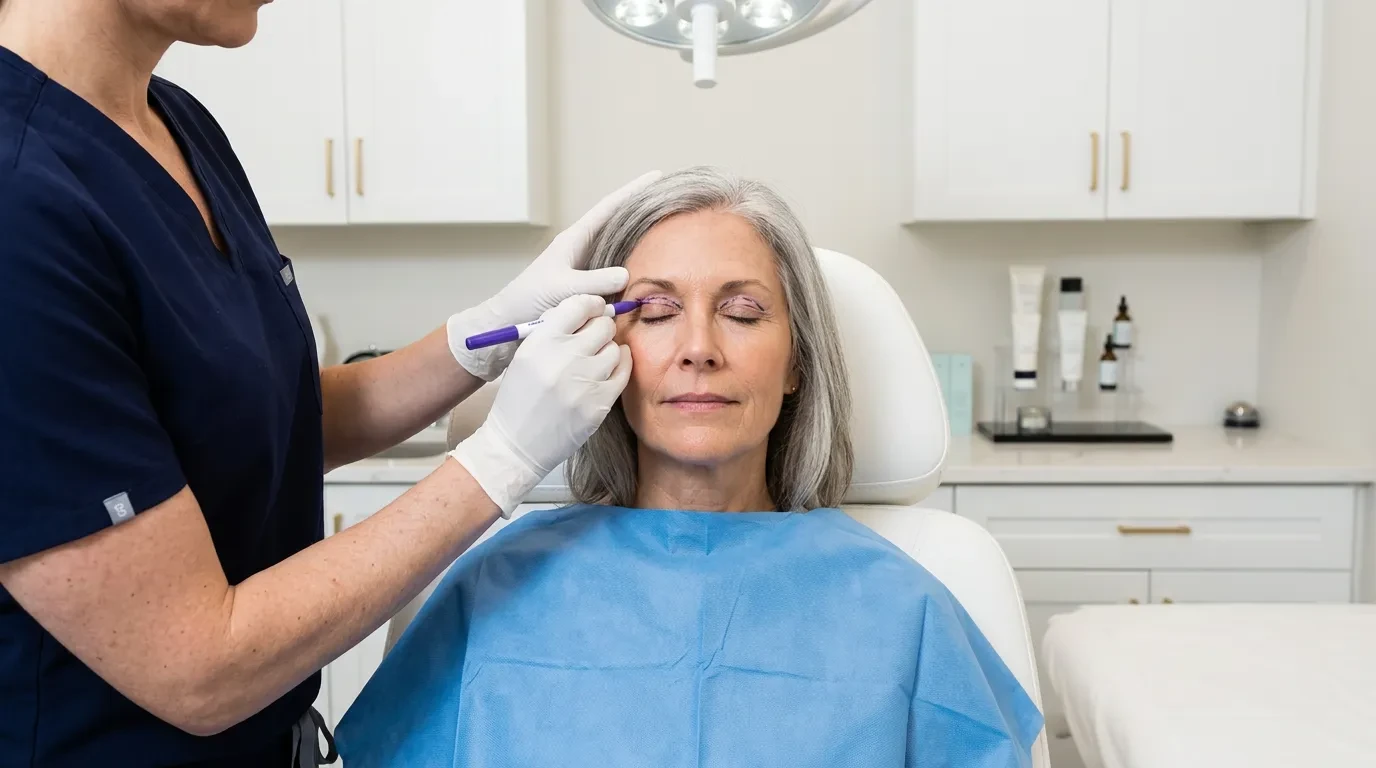
The fuller eyelid procedure. It uses the same crease incision as the office procedure, with the fat trimmed or repositioned as well as the skin removed.
People whose hooding comes with puffiness from fat, or whose lower lids need attention at the same time. Hooding that is skin only does not need this much surgery.
Skin is removed through the crease incision and the fat pads are trimmed or moved rather than left in place. That addresses the fullness that skin removal on its own would leave behind.
Recovery follows a similar arc to the office procedure and is somewhat longer. The timeline for your case is confirmed at the consultation.
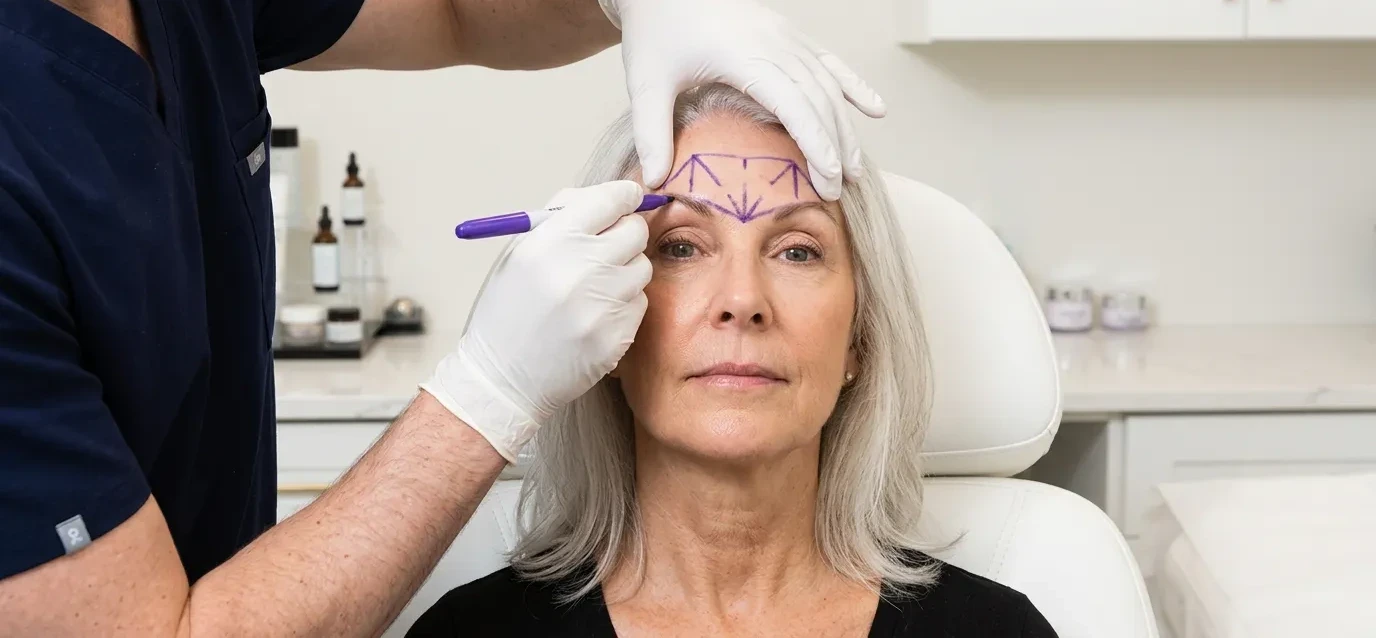
Brow Lift
Surgery that raises a brow that has descended and is pushing the lid skin down from above.
People whose lid looks hooded even though there is little excess skin on it, because the weight is coming from the brow. It can be done on its own or combined with the lids.
The lift treats the cause at the brow rather than at the lid. When the brow is the cause, removing lid skin makes the brow drop further, which is why the assessment comes before the choice of procedure.
Recovery follows a similar arc to eyelid surgery and is somewhat longer. The timeline for your case is confirmed at the consultation.
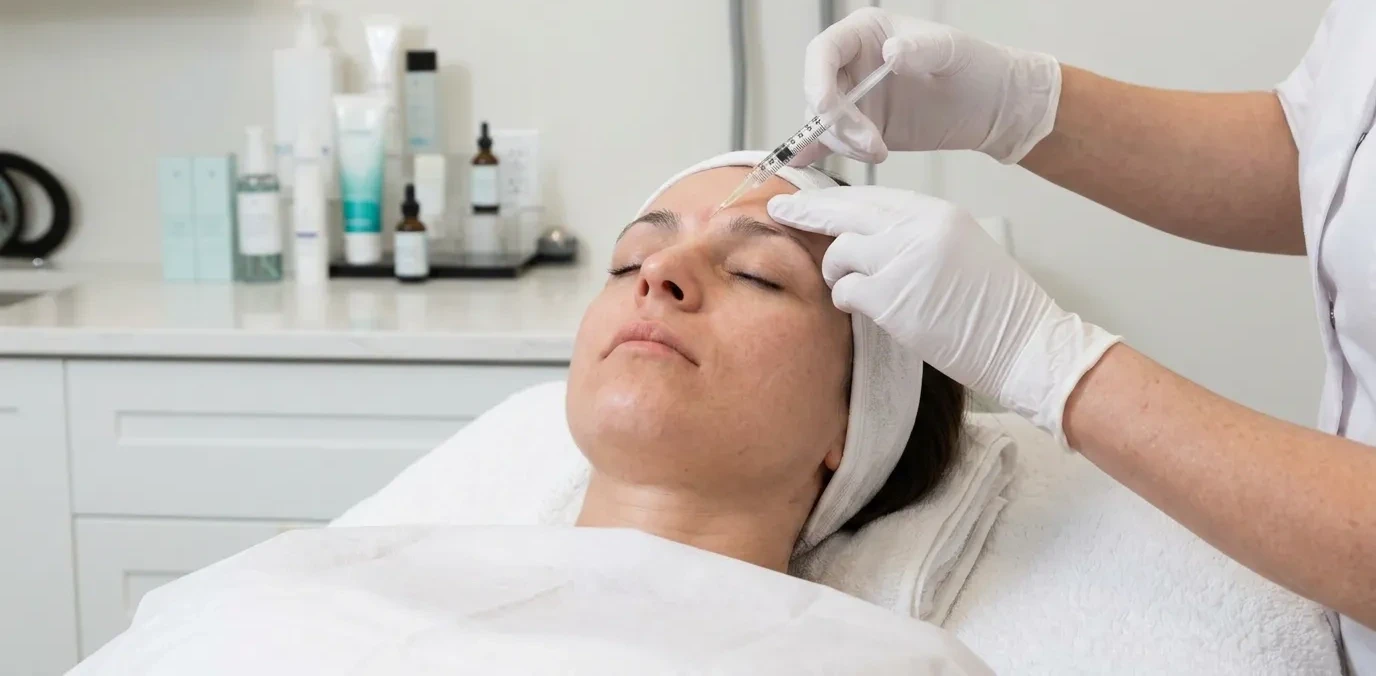
Botox / Neuromodulators
An injectable treatment that can lift a brow by a millimeter or two for a few months. Dr. Tumi performs all injectables himself.
People with a mild case, or people who are not ready for surgery. It does nothing for a true fold of skin, so it is not a stand-in for eyelid surgery when skin is the problem.
The lift is small and temporary. Nothing is removed, and the effect wears off after a few months unless it is repeated.
Injectables are done in the office at Unit 24, 222 Mapleview Drive West in Barrie. What the treatment can and cannot do for your brow is discussed at the consultation.
Ptosis, where the lifting muscle is weak and the lid genuinely sits lower over the eye, is a different operation with a different assessment. No amount of skin removal opens it.
What to expect
For the office procedure, Dr. Tumi marks the lid while you sit upright. The lid is numbed. The fold of skin is removed through an incision that sits in the natural crease, and you are home the same day. For most patients, bruising and swelling are at their most visible in the first week and largely gone by the second. Sutures come out at about five to seven days. Desk work resumes in about a week. The line in the crease is hidden whenever the eye is open and fades over the following months. The result holds for years, though the lid keeps aging with the rest of the face. Blepharoplasty and brow lift follow a similar arc with a somewhat longer recovery, and the timeline for your case is confirmed at the consultation. See before and after results
Cost
Fees are quoted at the consultation, once Dr. Tumi has seen which procedure you actually need, because the office procedure, a full blepharoplasty and a brow lift are different operations at different prices. You receive the figure in writing. Cosmetic eyelid surgery is not covered by OHIP; where the skin obstructs the field of vision, coverage is sometimes possible and is discussed at the consultation. Financing available through Beautifi, Medicard and Credit Medical.
Financing
Not covered by OHIP. Financing available through Beautifi, Medicard and Credit Medical.
Who provides your care
Surgeon-led care you can verify
You are assessed by Dr. Kamal Tumi, M.D., F.R.C.S.(C), a board-certified plastic surgeon with more than 28 years in practice and over 3,500 surgeries performed, and a consultant plastic surgeon at Royal Victoria Regional Health Centre since 2004. The surgeon who assesses you is the surgeon who operates. Injectable treatment is performed by Dr. Tumi himself. Non-surgical treatment is delivered by our trained clinical team under his direction, including Priscilla Carvalho, medical aesthetician, phlebotomist and skin therapist. Smoking materially affects healing for most procedures, which is why you will be asked about it. His CPSO registration is public and searchable.
“I will not do a surgery on you if you do not need it.”
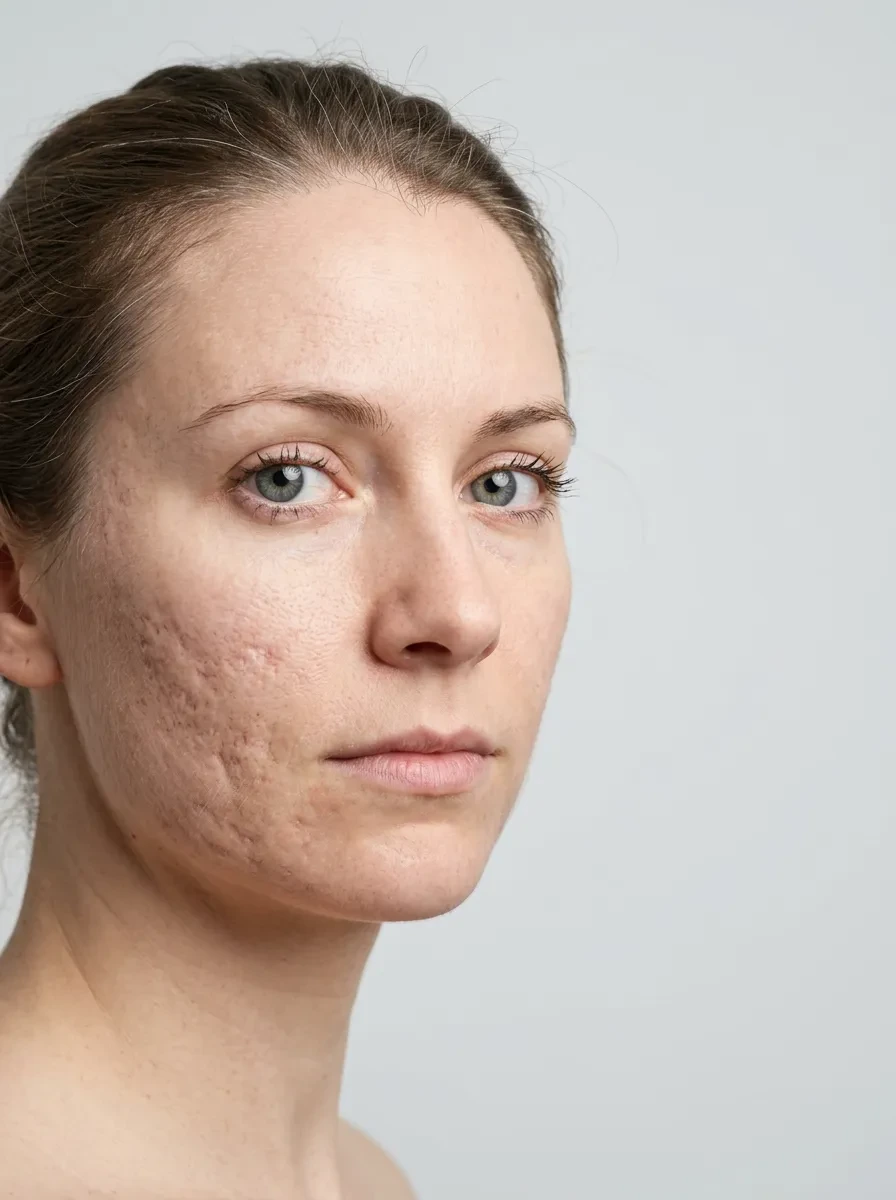
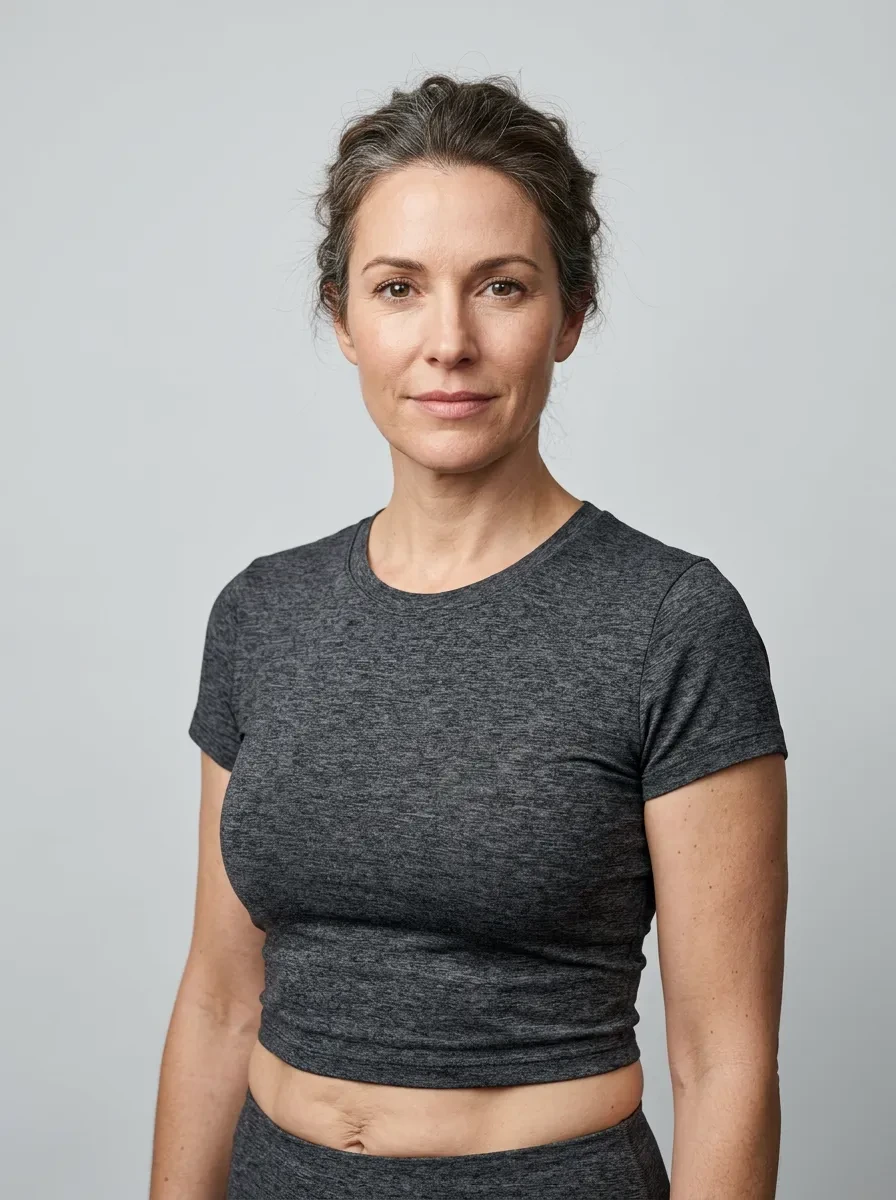
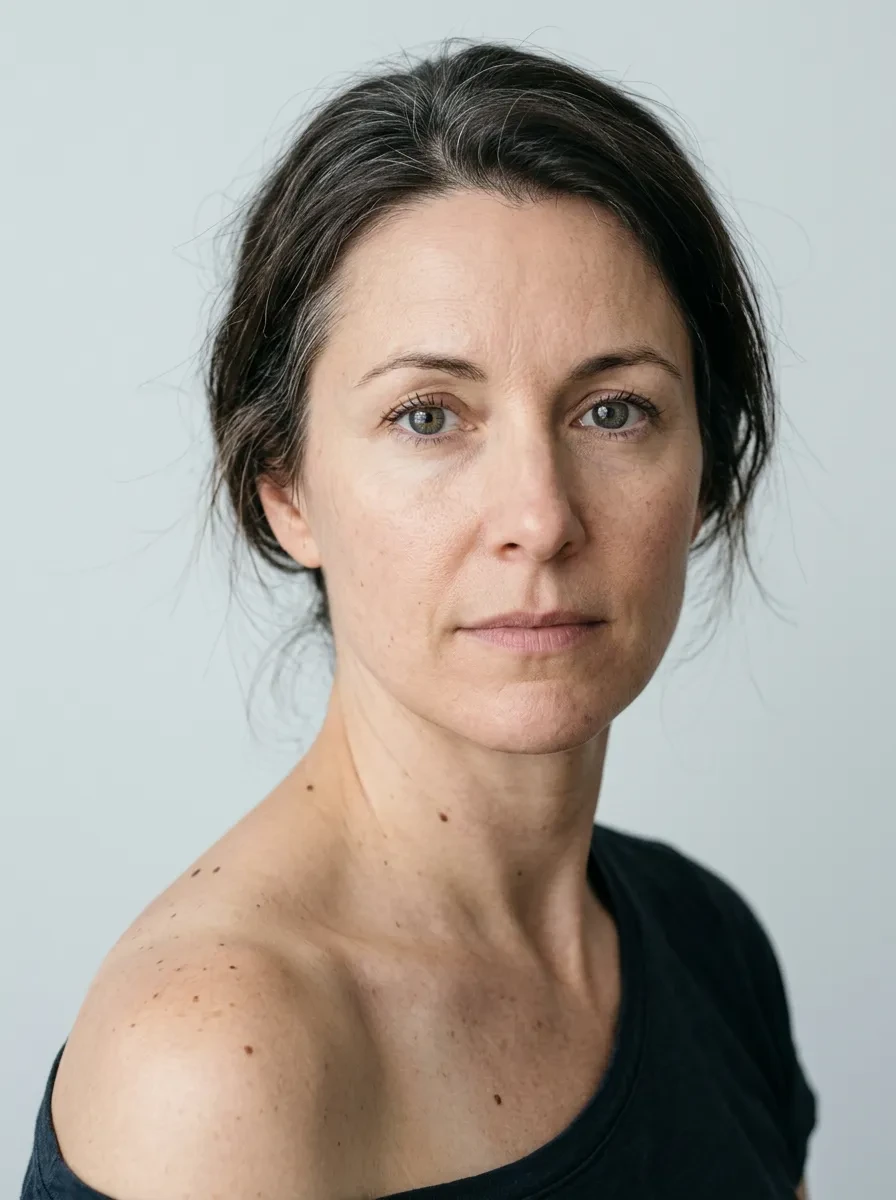
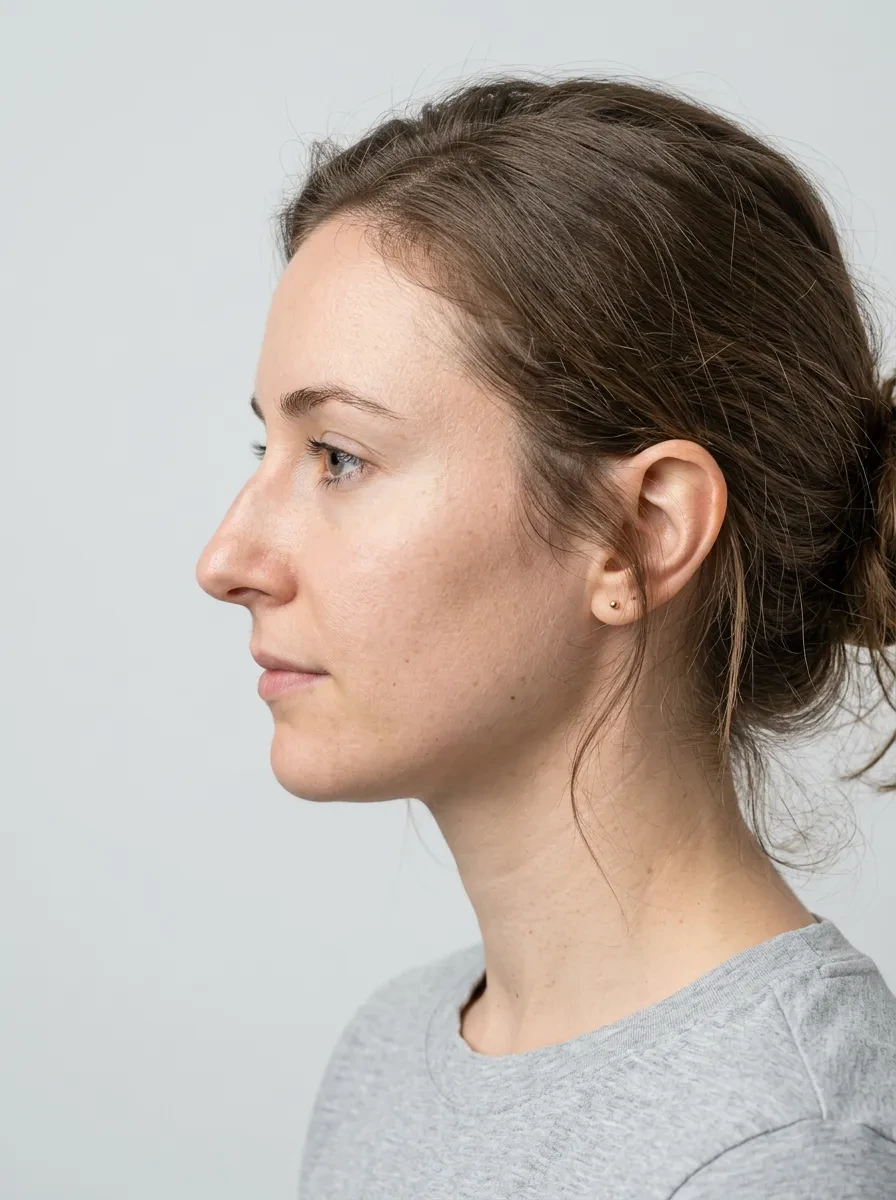
An assessment and a conversation.
You do not need to arrive knowing which procedure you want. Describing what bothers you is enough. You are not committing to surgery by booking a consultation.
FAQ
About Barrie Plastic Surgery
Yes. He holds an M.D. and is certified by the Royal College of Physicians and Surgeons of Canada as a specialist in plastic surgery. That certification separates a plastic surgeon from a physician who offers cosmetic treatment. He has been a consultant plastic surgeon at Royal Victoria Regional Health Centre since 2004.
In everyday use they are used interchangeably, and both terms describe most of what we do. Strictly, plastic surgery is the recognized surgical specialty, which includes reconstructive work. Cosmetic surgery describes procedures done to change appearance. Dr. Tumi is qualified in the specialty.
It depends on the procedure. Some, including upper eyelid surgery, are done in our own office under local anesthetic. Larger procedures are booked in an operating room, and which setting applies to you is confirmed at your consultation.
Yes. Male patients are a normal part of the practice. Eyelid surgery and gynecomastia are the usual reasons, and skin procedures are common too. ---
Unit 24, 222 Mapleview Drive West in Barrie, just off Highway 400 at the Mapleview exit. Consultations, injectables and the office procedures happen here. Operations that need a general anesthetic are done at Royal Victoria Regional Health Centre, where Dr. Tumi has been a consultant plastic surgeon since 2004.
Dr. Tumi performs facial, breast and body surgery. Skin procedures are part of the practice too: mole removal, skin cancer removal, scar revision. On the non-surgical side he injects the neuromodulators and fillers himself. Laser, CoolSculpting, Morpheus8 and skin treatments are delivered by the clinical team under his direction.
Yes, for anything surgical, and for most non-surgical treatment too. The consultation is an examination and a conversation. Dr. Tumi looks at what is actually causing what you see, tells you what can and cannot be changed, and gives you a written quote afterwards. You are not asked to decide on the day.
Dr. Tumi performs every surgery and every injection himself. The surgeon who assesses you is the surgeon who operates. Laser, CoolSculpting, Morpheus8 and skin treatments are delivered by the clinic's trained clinical staff, under his direction.
Yes. Cosmetic procedures are not covered by OHIP, and we work with three financing providers: Beautifi, Medicard and Credit Medical. Every quote is given in writing at the consultation, so you know the full figure before you decide anything.
Dr. Tumi examines the area himself. He explains what he finds in plain language, including what he would not recommend, and offers the smaller option where one exists. You leave with a written quote and time to think. If nothing surgical is the honest answer, you will be told so.