Moles & Skin Lesions
Moles & Skin Lesions
Some moles and lumps are simply in the way. Others have changed, and the change worries you. Either way the wish is the same: to have it looked at properly and taken off cleanly. Most people arrive with one of two sentences. The first is that this thing catches on my razor or my collar and I want it gone. The second is that this thing has changed and I want to know what it is. Both are good reasons to be seen. A plastic surgeon removes skin lesions for a living. The removal is clean and the closure is planned for the site. Everything that comes off goes to the laboratory, so you leave with an answer as well as a result.
Moles & Skin Lesions
Moles & Skin Lesions
Some moles and lumps are simply in the way. Others have changed, and the change worries you. Either way the wish is the same: to have it looked at properly and taken off cleanly. Most people arrive with one of two sentences. The first is that this thing catches on my razor or my collar and I want it gone. The second is that this thing has changed and I want to know what it is. Both are good reasons to be seen. A plastic surgeon removes skin lesions for a living. The removal is clean and the closure is planned for the site. Everything that comes off goes to the laboratory, so you leave with an answer as well as a result.
WHAT CAUSES IT
Why it happens
Skin lesions come in several kinds, and the kind decides how it is removed. This is why the spot is examined first. The same appearance can have different causes, and the right treatment follows the cause.
01
Moles
Ordinary pigmented moles that are raised, catching or simply unwanted, and the occasional mole that has changed and needs to be checked.
02
Skin tags
Small, soft, harmless flaps in the folds of the neck, underarms and groin that multiply and catch.
03
Lipomas and cysts
Soft lumps of fat, or sacs of skin cells, under the skin, which grow, get in the way, and in the case of cysts sometimes get infected.
04
Skin cancers and xanthelasma
The common skin cancers, which are cured by clean removal, and the yellow cholesterol plaques of the eyelids, which are removed for appearance.
WHAT ACTUALLY TREATS IT
What actually treats moles and skin lesions in Barrie
Skin lesions come in several kinds, and the kind decides how it is removed and whether it needs to be checked. Surgical and non-surgical routes are both offered here, and anything that has changed is examined by Dr. Tumi before anything is planned.
Mole Removal
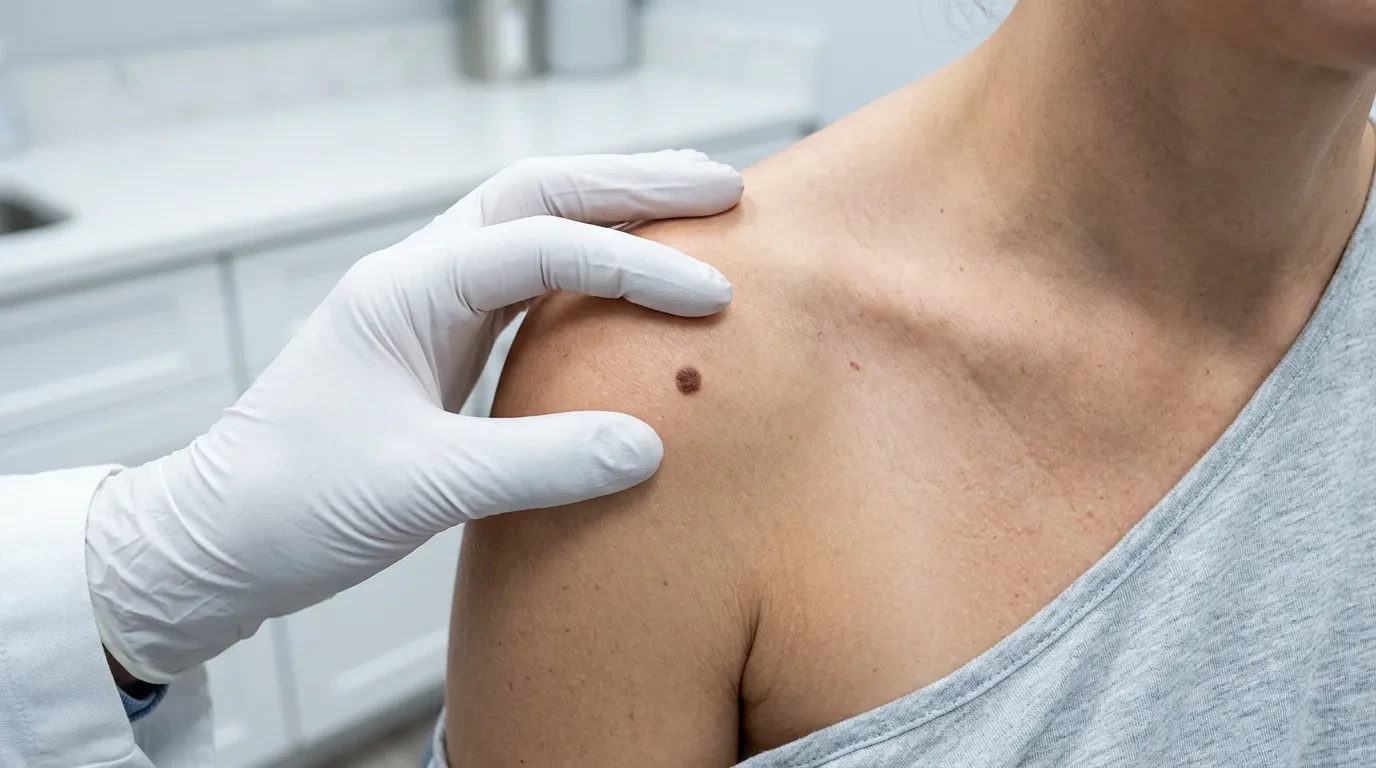
Removal of a mole, with the tissue sent to the laboratory. Removal and diagnosis happen in the same step.
An ordinary pigmented mole that is raised, catches on a razor or a collar, or is simply unwanted. Also the mole that has changed, bleeds, itches, or is new and growing, where you want to know what it is as well as have it gone.
A raised mole is shaved level with the skin. A flat or changing mole is excised as a small ellipse and closed finely. Every mole goes to the laboratory. Anything that has changed is examined by Dr. Tumi before anything is planned.
Removal is under local anesthetic in the office and takes fifteen to forty-five minutes, and you go home straight afterwards. Sutures, where used, come out at five to fourteen days depending on the site. The laboratory result is back within a few weeks.
Skin Cancer Removal
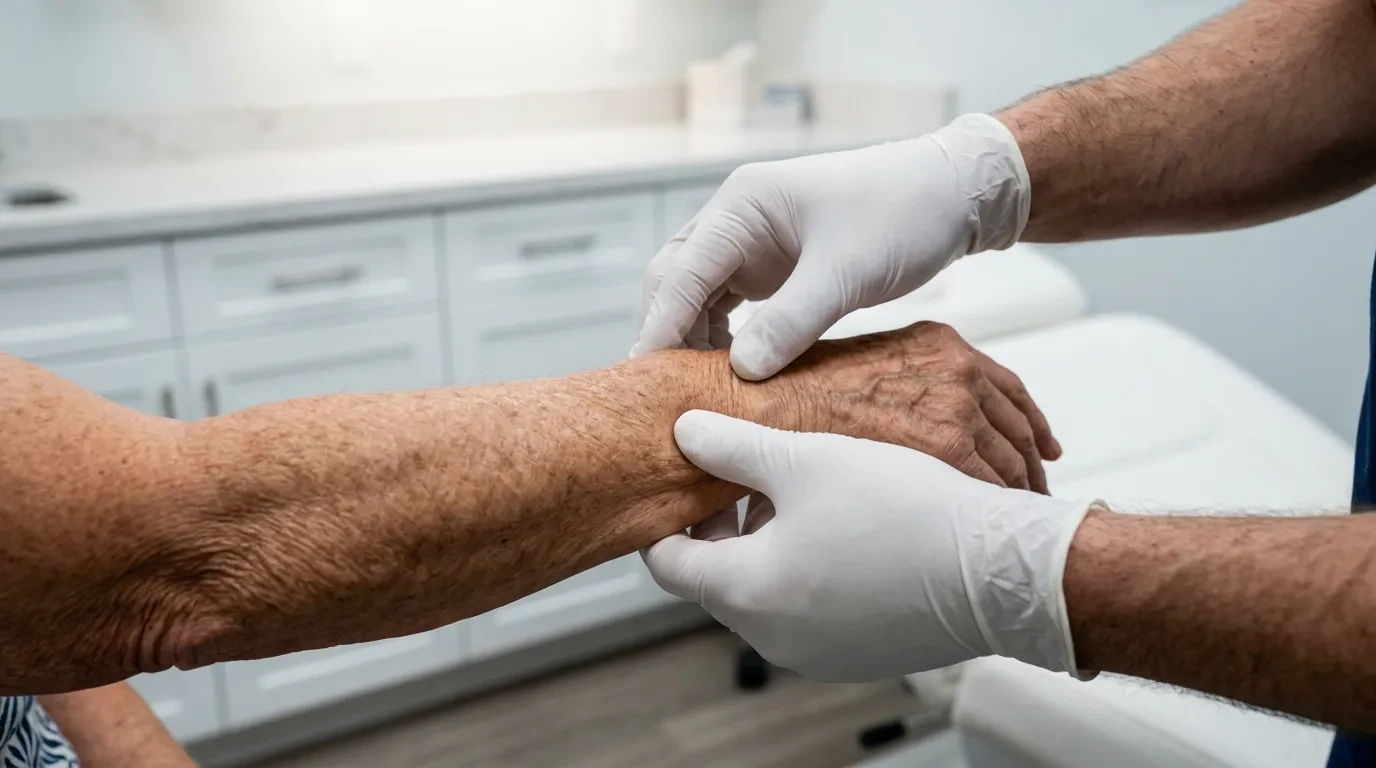
Excision of basal cell and squamous cell lesions, with reconstruction where the site needs it. The common skin cancers are cured by clean removal.
A lesion suspected of being a skin cancer. Anything that has changed, bleeds, itches or is new and growing is examined by Dr. Tumi before a plan is made.
The lesion is examined, usually biopsied, then removed with a margin of healthy skin. The closure is planned for the site, which matters most on the face, and reconstruction is done where it is needed.
Removal is under local anesthetic in the office and you go home straight afterwards. Sutures come out at five to fourteen days depending on the site. The laboratory result is back within a few weeks. Where removal is medically necessary, coverage is discussed when you are seen.
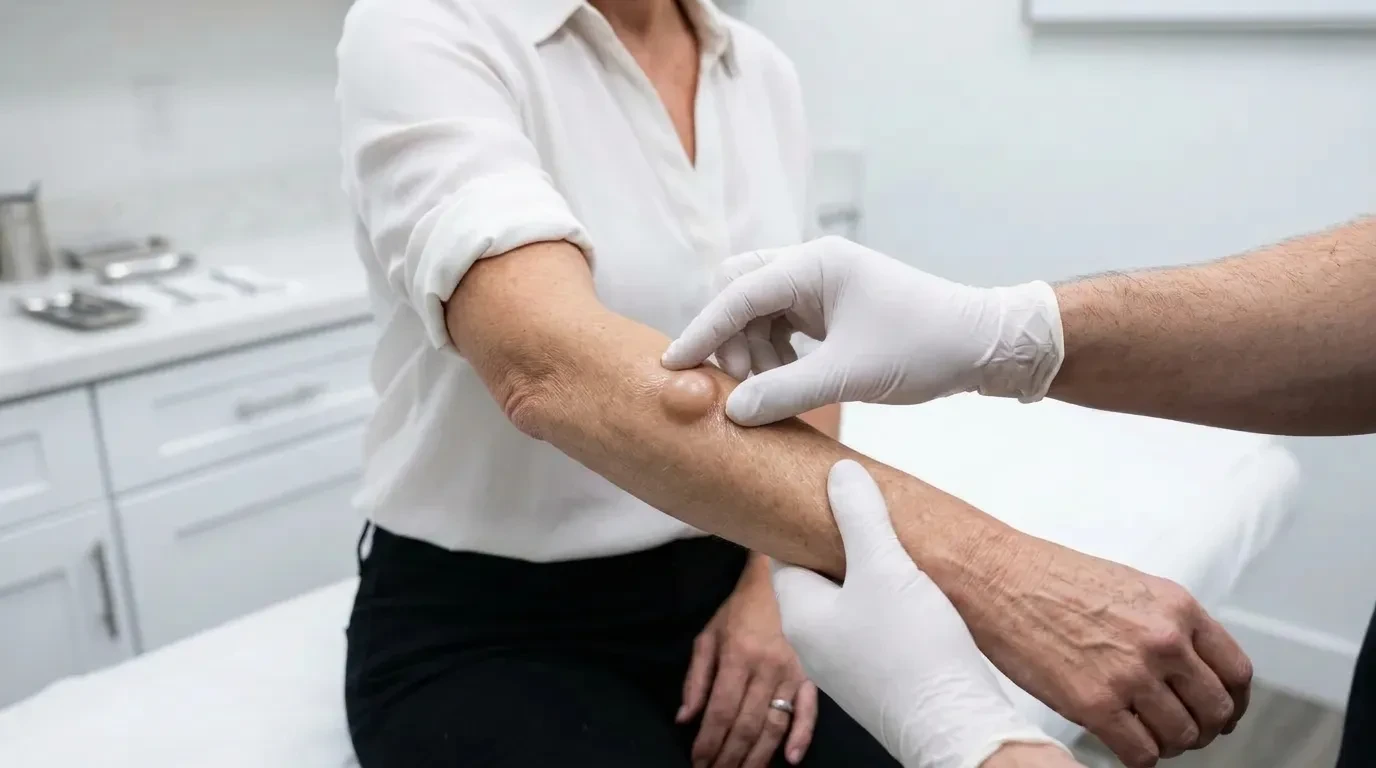
Lipoma & Cyst Removal
Removal of a lipoma, which is a soft lump of fat under the skin, or a cyst, which is a sac of skin cells. Both sit under the skin and both are taken out whole.
A lump that has grown or is getting in the way. Cysts are also removed because they sometimes get infected.
The lump is removed whole under local anesthetic through a small incision placed along the skin's lines. The tissue goes to the laboratory.
Done in the office in fifteen to forty-five minutes and you go home straight afterwards. Sutures come out at five to fourteen days depending on the site, and the line fades over months to a pale mark. The laboratory result is back within a few weeks.
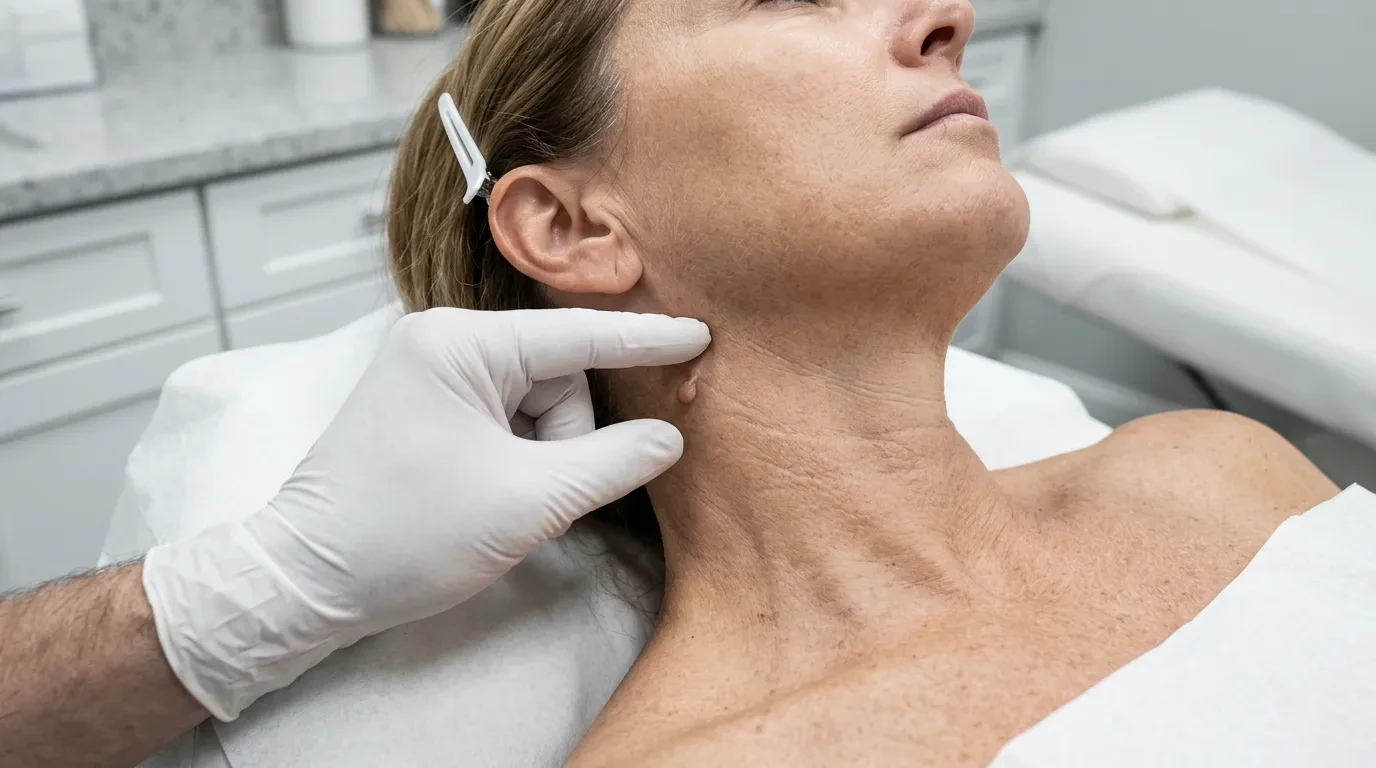
Skin Tag Removal
Quick in-office removal of skin tags, the small soft flaps that form in the folds of the neck, underarms and groin. They are harmless.
People whose tags have multiplied and catch on clothing or jewelry. Anything that does not look like an ordinary tag is seen by Dr. Tumi first.
Tags are snipped or cauterized in minutes. This is usually done by the clinic's medical aesthetician rather than by the surgeon.
Done in the office in minutes, and you go home straight afterwards. What is involved for your case is confirmed when you are seen.
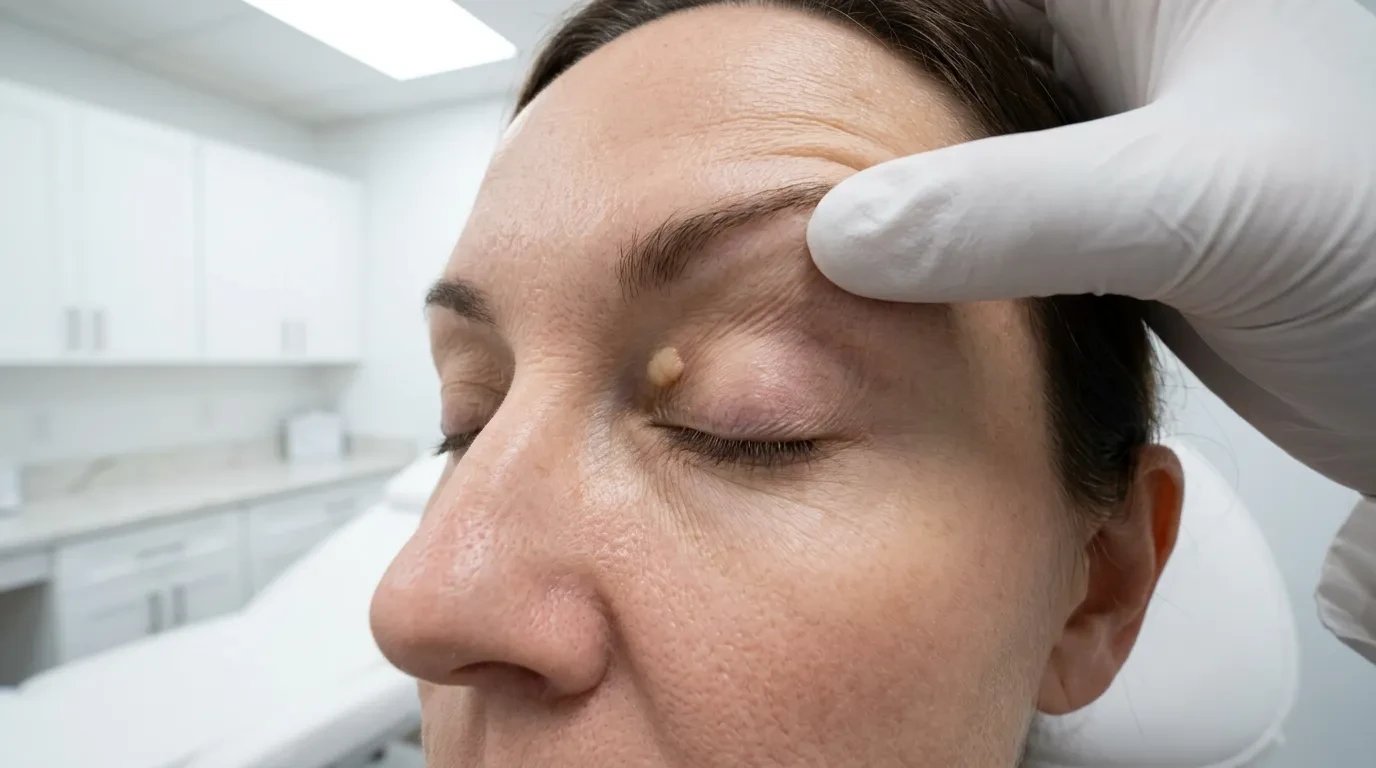
Xanthelasma Removal
Excision of the yellow cholesterol plaques that form on the eyelids. They are removed for appearance.
People with yellow plaques on the eyelid skin who want them gone. The lesion is examined at the consultation before removal is planned.
The plaques are excised through a fine line in the eyelid crease. It is done under local anesthetic in the office.
Done in the office and you go home straight afterwards. Sutures come out at five to fourteen days depending on the site, and the line fades over months to a pale mark placed along the skin's natural lines.
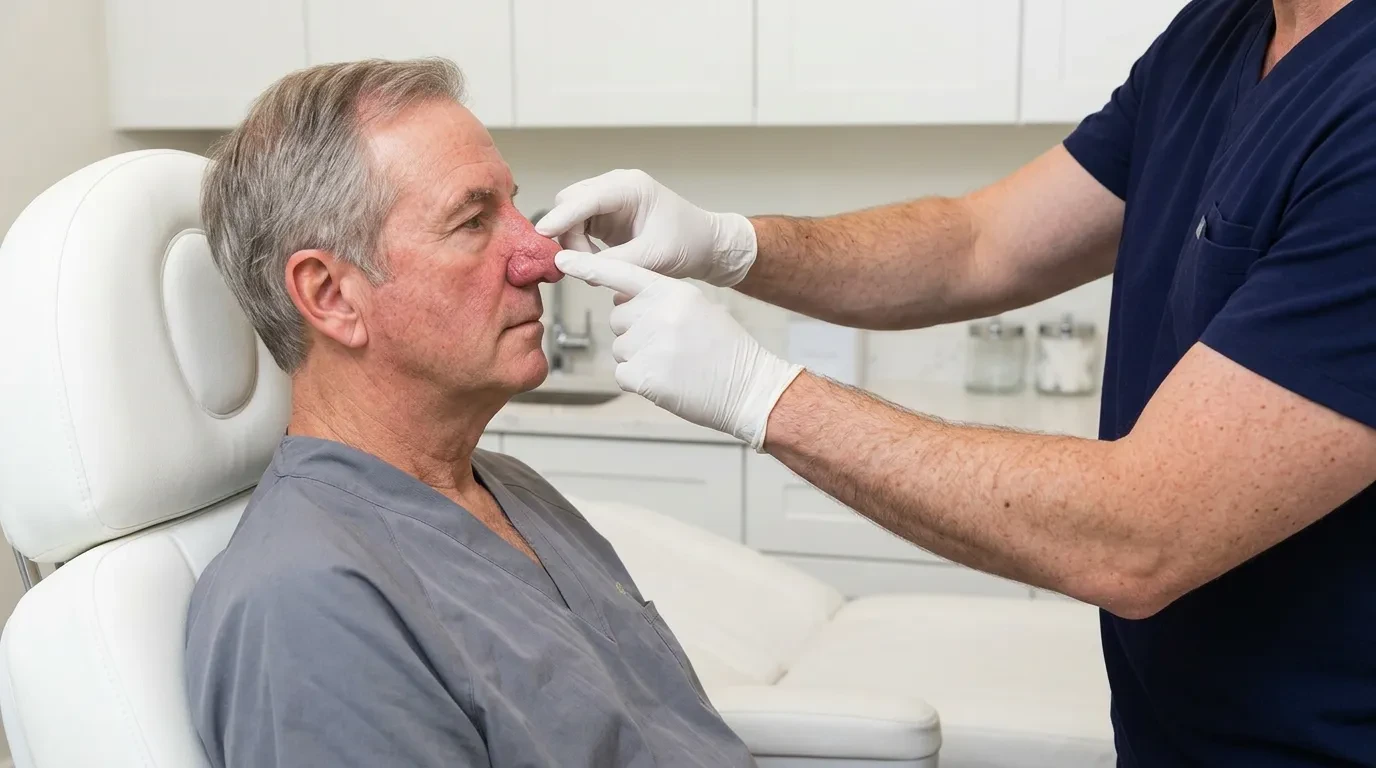
Rhinophyma
Surgical reshaping of thickened nasal skin. It is a surgical procedure, performed by Dr. Tumi.
People whose nasal skin has thickened and changed the shape of the nose. It is examined at the consultation before removal or reshaping is planned.
The thickened skin is reshaped surgically. What that involves for your case is confirmed once Dr. Tumi has examined the nose.
You are assessed by Dr. Tumi. The plan, the timeline and the fee for your case are confirmed at the consultation, and you receive the figure in writing.
Anything that has changed, bleeds, itches or is new and growing is examined by Dr. Tumi before anything is planned.
Where removal is medically necessary, coverage is discussed when you are seen. Otherwise it is not covered by OHIP.
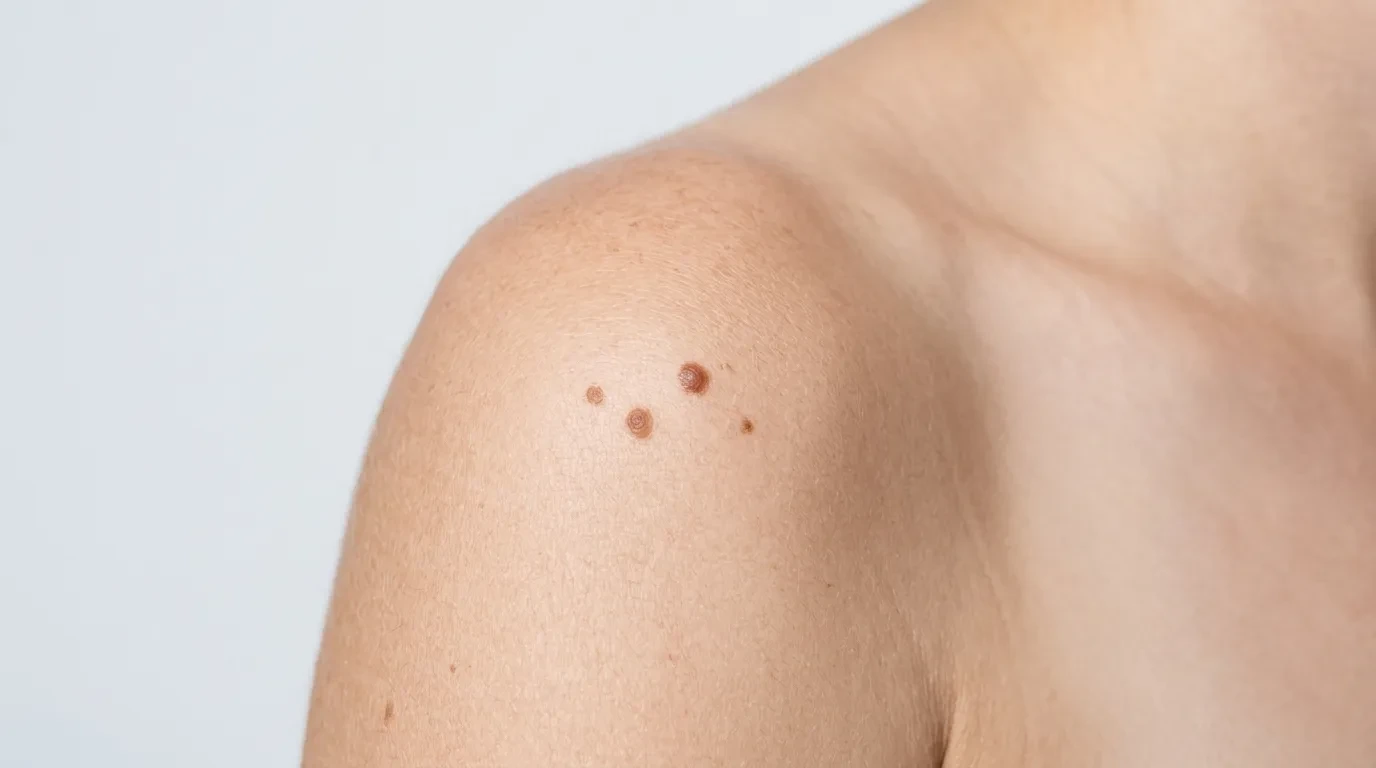
What to expect
Most removals take fifteen to forty-five minutes under local anesthetic and you go home straight afterwards. Sutures, where used, come out at five to fourteen days depending on the site. The line fades over months to a pale mark, placed along the skin's natural lines. The laboratory result is back within a few weeks. Where removal is medically necessary, coverage is discussed when you are seen. See before and after results
Cost
Fees are quoted at the consultation, once the lesion has been examined, because a shaved mole, an excised one, a cyst and a skin cancer are different procedures. Where removal is medically necessary, coverage is discussed when you are seen. You receive the figure in writing. Not covered by OHIP. Financing available through Beautifi, Medicard and Credit Medical.
Financing
Not covered by OHIP. Financing available through Beautifi, Medicard and Credit Medical.
Who provides your care
Surgeon-led care you can verify
You are assessed by Dr. Kamal Tumi, M.D., F.R.C.S.(C), a board-certified plastic surgeon with more than 28 years in practice and over 3,500 surgeries performed, and a consultant plastic surgeon at Royal Victoria Regional Health Centre since 2004. The surgeon who assesses you is the surgeon who operates. Injectable treatment is performed by Dr. Tumi himself. Non-surgical treatment is delivered by our trained clinical team under his direction, including Priscilla Carvalho, medical aesthetician, phlebotomist and skin therapist. Smoking materially affects healing for most procedures, which is why you will be asked about it. His CPSO registration is public and searchable.
“I will not do a surgery on you if you do not need it.”
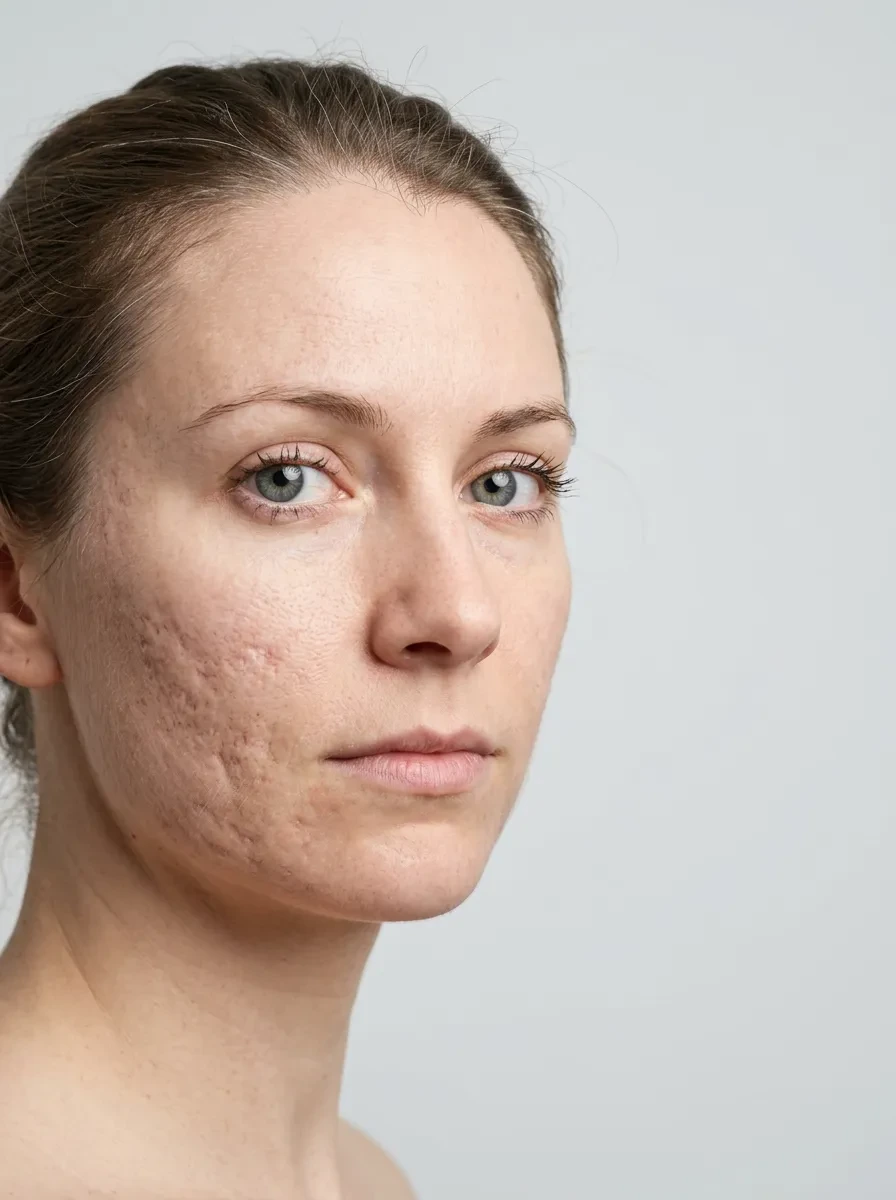
An assessment and a conversation.
You do not need to arrive knowing which procedure you want. Describing what bothers you is enough. You are not committing to surgery by booking a consultation.
FAQ
About Barrie Plastic Surgery
Yes. He holds an M.D. and is certified by the Royal College of Physicians and Surgeons of Canada as a specialist in plastic surgery. That certification separates a plastic surgeon from a physician who offers cosmetic treatment. He has been a consultant plastic surgeon at Royal Victoria Regional Health Centre since 2004.
In everyday use they are used interchangeably, and both terms describe most of what we do. Strictly, plastic surgery is the recognized surgical specialty, which includes reconstructive work. Cosmetic surgery describes procedures done to change appearance. Dr. Tumi is qualified in the specialty.
It depends on the procedure. Some, including upper eyelid surgery, are done in our own office under local anesthetic. Larger procedures are booked in an operating room, and which setting applies to you is confirmed at your consultation.
Yes. Male patients are a normal part of the practice. Eyelid surgery and gynecomastia are the usual reasons, and skin procedures are common too. ---
Unit 24, 222 Mapleview Drive West in Barrie, just off Highway 400 at the Mapleview exit. Consultations, injectables and the office procedures happen here. Operations that need a general anesthetic are done at Royal Victoria Regional Health Centre, where Dr. Tumi has been a consultant plastic surgeon since 2004.
Dr. Tumi performs facial, breast and body surgery. Skin procedures are part of the practice too: mole removal, skin cancer removal, scar revision. On the non-surgical side he injects the neuromodulators and fillers himself. Laser, CoolSculpting, Morpheus8 and skin treatments are delivered by the clinical team under his direction.
Yes, for anything surgical, and for most non-surgical treatment too. The consultation is an examination and a conversation. Dr. Tumi looks at what is actually causing what you see, tells you what can and cannot be changed, and gives you a written quote afterwards. You are not asked to decide on the day.
Dr. Tumi performs every surgery and every injection himself. The surgeon who assesses you is the surgeon who operates. Laser, CoolSculpting, Morpheus8 and skin treatments are delivered by the clinic's trained clinical staff, under his direction.
Yes. Cosmetic procedures are not covered by OHIP, and we work with three financing providers: Beautifi, Medicard and Credit Medical. Every quote is given in writing at the consultation, so you know the full figure before you decide anything.
Dr. Tumi examines the area himself. He explains what he finds in plain language, including what he would not recommend, and offers the smaller option where one exists. You leave with a written quote and time to think. If nothing surgical is the honest answer, you will be told so.