Fine Lines & Wrinkles
Fine Lines & Wrinkles
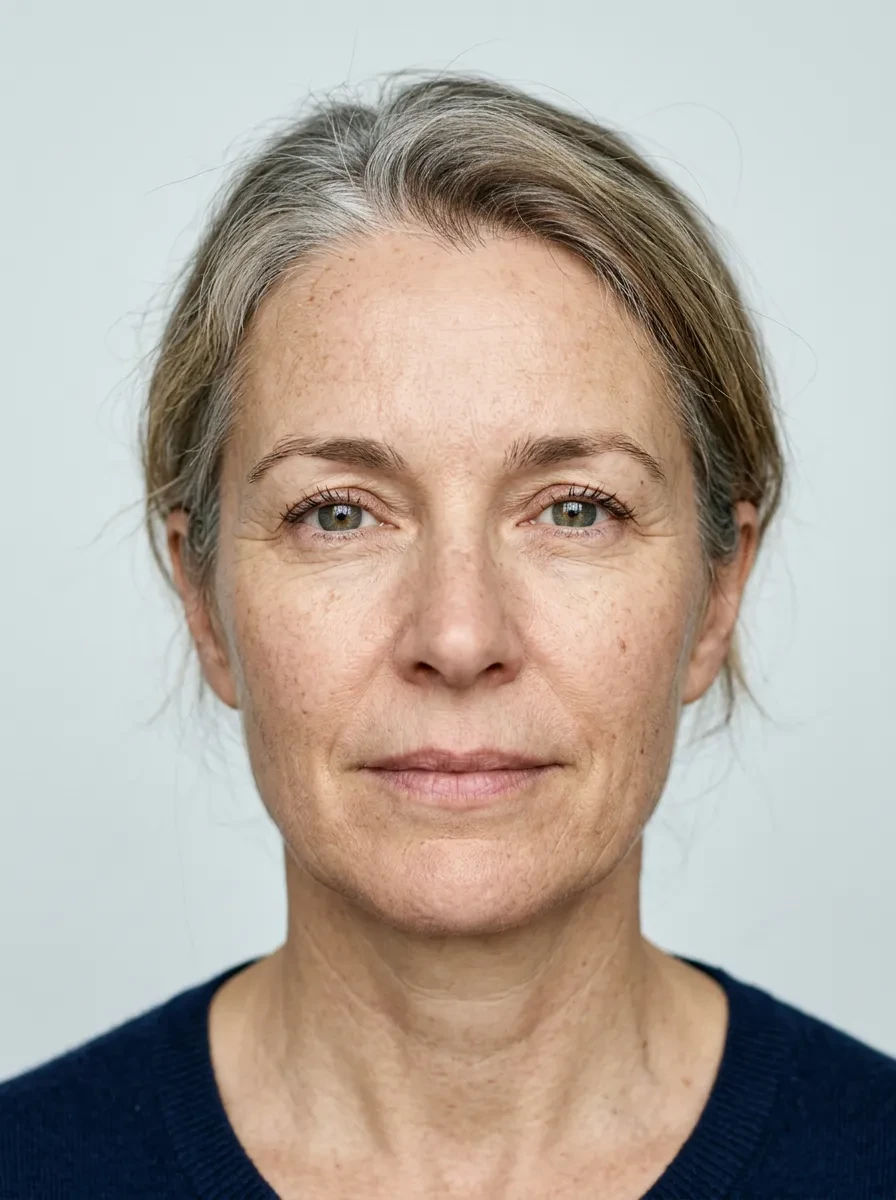
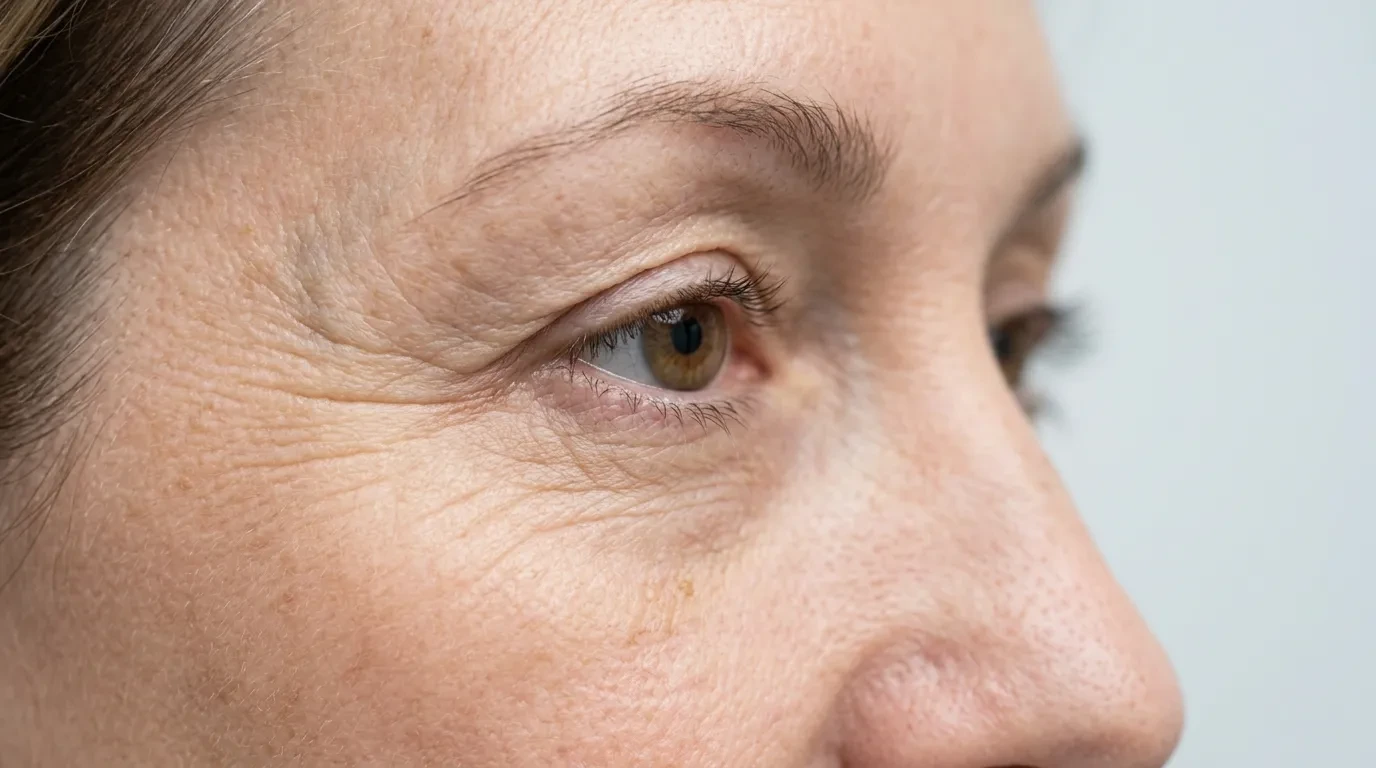
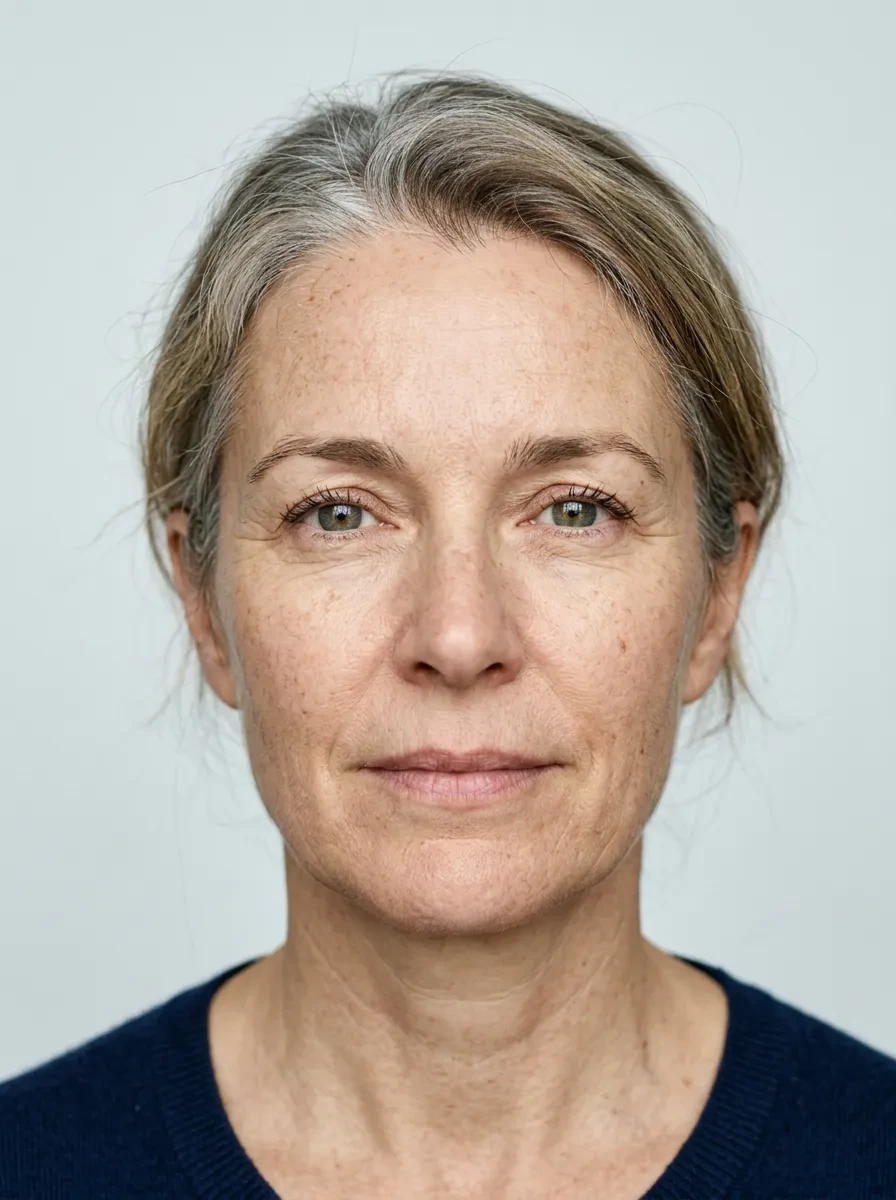
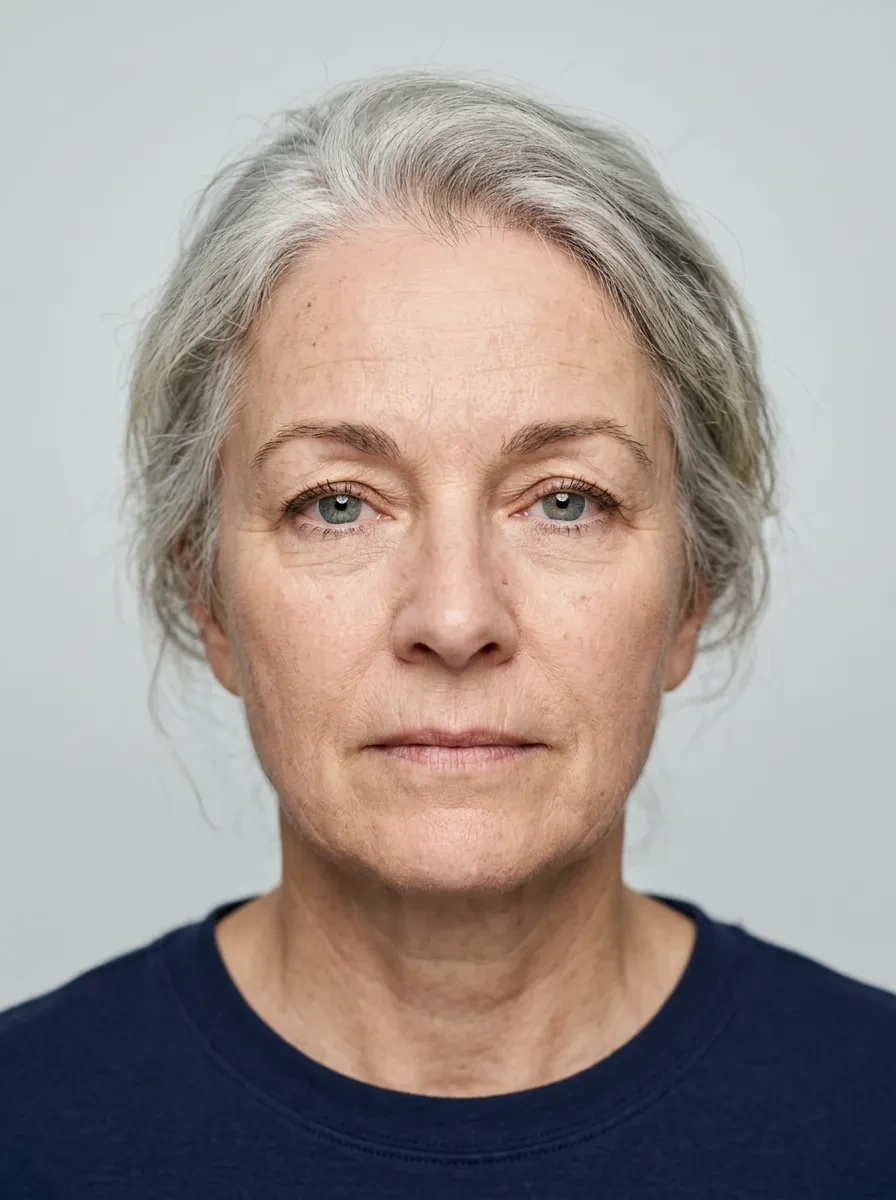
Lines that once appeared only with a frown or a smile have started to stay. The skin looks thinner and crepey. Most people notice it in a photograph, or under office lighting. The frown line between the brows is there even when you are calm. The crow's feet stay after the smile has gone. Fine crosshatching shows on the cheeks and around the mouth. Some lines are made by muscle. Others are made by the skin and the tissue beneath it. Knowing which kind you have decides which treatment works.
Fine Lines & Wrinkles
Fine Lines & Wrinkles
Lines that once appeared only with a frown or a smile have started to stay. The skin looks thinner and crepey. Most people notice it in a photograph, or under office lighting. The frown line between the brows is there even when you are calm. The crow's feet stay after the smile has gone. Fine crosshatching shows on the cheeks and around the mouth. Some lines are made by muscle. Others are made by the skin and the tissue beneath it. Knowing which kind you have decides which treatment works.
WHAT CAUSES IT
Why it happens
Lines come from four different places, and each has its own answer. This is why the cause is assessed before anything is recommended. The same line can come from different places, and the right treatment follows the cause.
01
Expression
Muscles fold the skin thousands of times a day. That folding makes the frown line, the forehead lines and the crow's feet. They begin as lines that show only when you move, then stay at rest.
02
Lost volume
The fat beneath the skin thins and drops with age. The folds beside the mouth deepen, and the temples and cheeks hollow. What reads as a line is often the shadow a hollow casts.
03
The skin itself
Sun and years break down collagen, the protein that gives skin its thickness and spring. Thin skin crinkles like tissue paper. That is the fine lining on the cheeks, around the mouth, and across the neck and chest.
04
Loose skin
When the skin has actually dropped, the lines are folds, and they need lifting rather than smoothing.
WHAT ACTUALLY TREATS IT
What actually treats fine lines and wrinkles in Barrie
Lines come from muscle, from lost volume, from the skin itself and from skin that has dropped, and each one has a different answer. Both surgical and non-surgical treatment is available here, so the recommendation follows the cause.
Botox / Neuromodulators
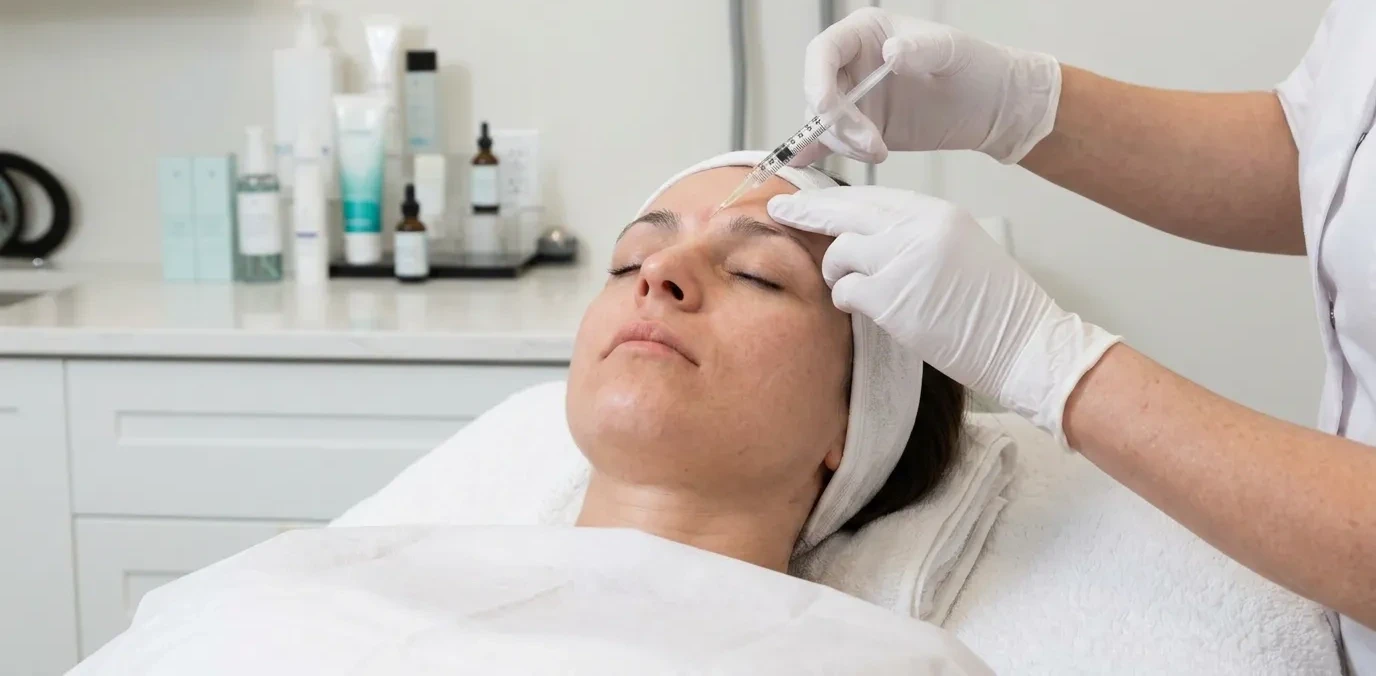
A neuromodulator injection, Botox and its siblings, that relaxes the muscle making the line. The line softens and stops deepening.
For lines made by expression: the frown line between the brows, forehead lines and crow's feet, which start out appearing only when you move. A neuromodulator does nothing for a line that is etched in at rest, or for a fold that is really a shadow of lost volume.
Muscles fold the skin thousands of times a day, and that folding is what makes an expression line. Relaxing the muscle stops the folding, so the line softens. Dr. Tumi performs all injectable treatment himself.
The appointment takes fifteen minutes. The result starts at three to five days and is complete at two weeks. It lasts three to four months.
Dermal Fillers
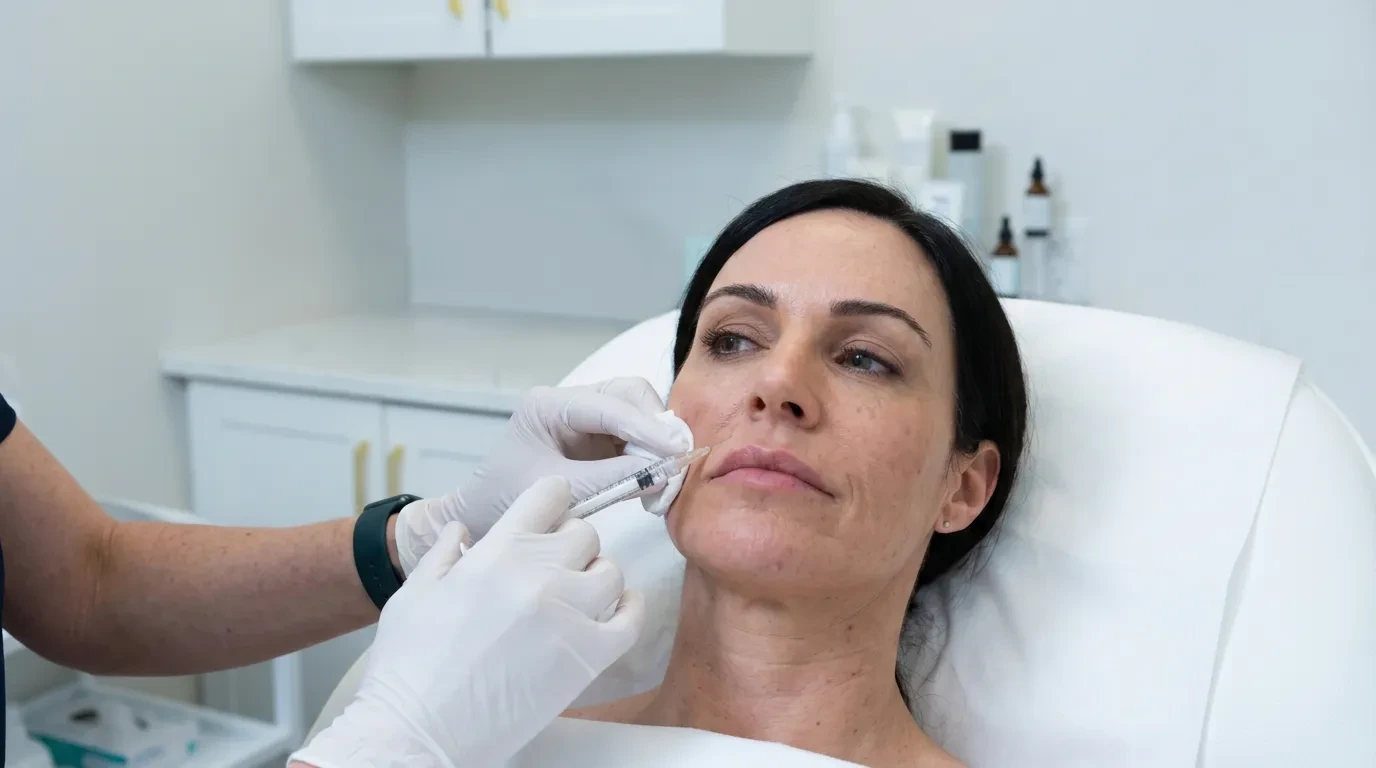
Filler replaces volume that has thinned beneath the skin. It is placed in the folds and cheeks, so the shadow that reads as a line is no longer cast.
For the folds beside the mouth and the hollows at the temples and cheeks, where the line is a shadow rather than a crease. Filler placed into an expression line without relaxing the muscle is pushed out again, so where both are at play the muscle is addressed as well.
The fat beneath the skin thins and drops with age, deepening the folds. Filler replaces that volume directly. Sculptra and Radiesse take a different route and rebuild volume gradually. Dr. Tumi performs all injectable treatment himself.
Filler shows its result once a few days of swelling settle, and lasts nine to eighteen months depending on the area. Sculptra builds its result over two to three months after a short course.
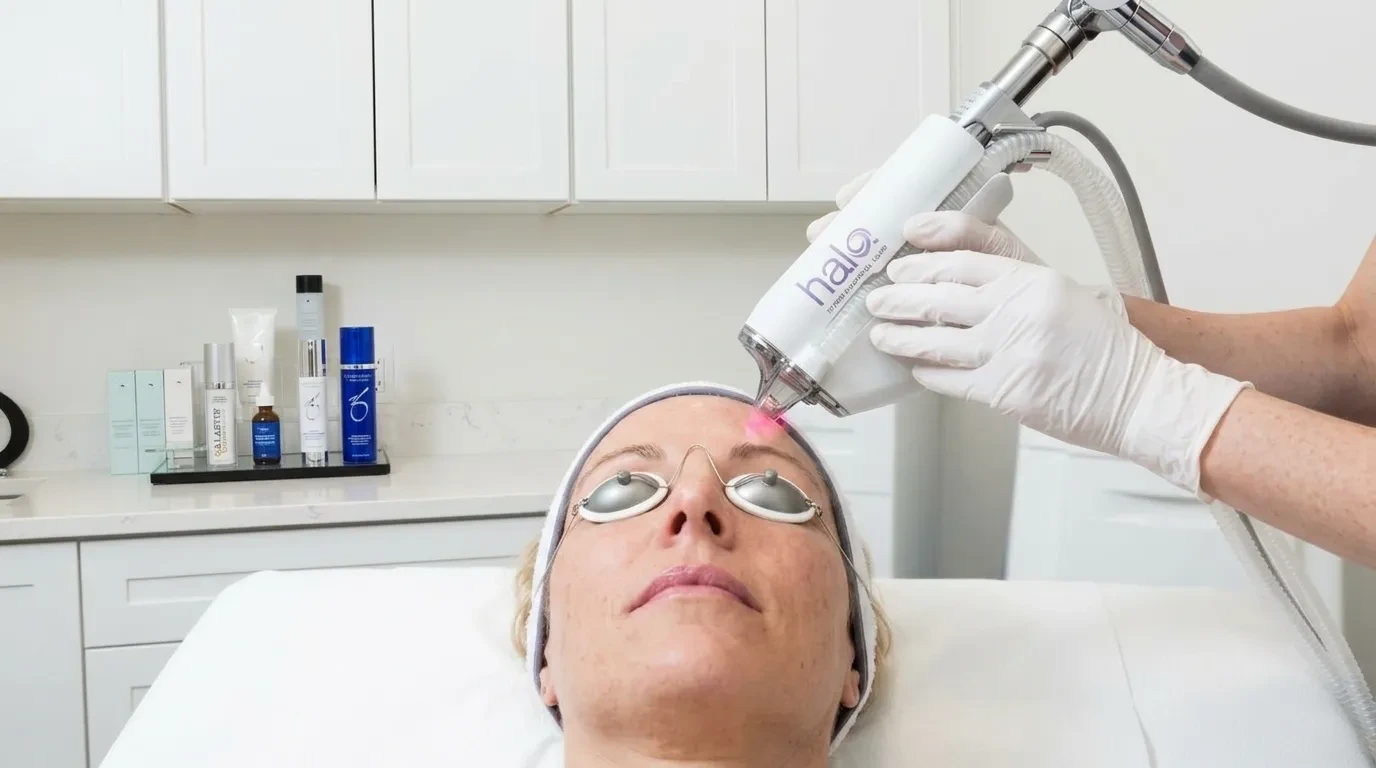
HALO Laser
A resurfacing laser aimed at the skin itself rather than at the muscle that folds it or the volume beneath it. It treats the fine crinkling that appears when sun and years thin the skin and break down its collagen.
For the fine lines on the cheeks, around the mouth and on the neck and chest, where the skin crinkles like tissue paper rather than folds. If you want a gentler start, microneedling with exosomes or a series of chemical peels is the lower-intensity route.
Resurfacing works on the skin's own structure rather than on the muscle beneath it or the volume under that. A laser peel resurfaces in the same way and is the other option. Laser treatment is delivered by the trained clinical team under Dr. Tumi's direction.
Halo builds its result over three to six months. The plan and timeline for your face are confirmed at the consultation.
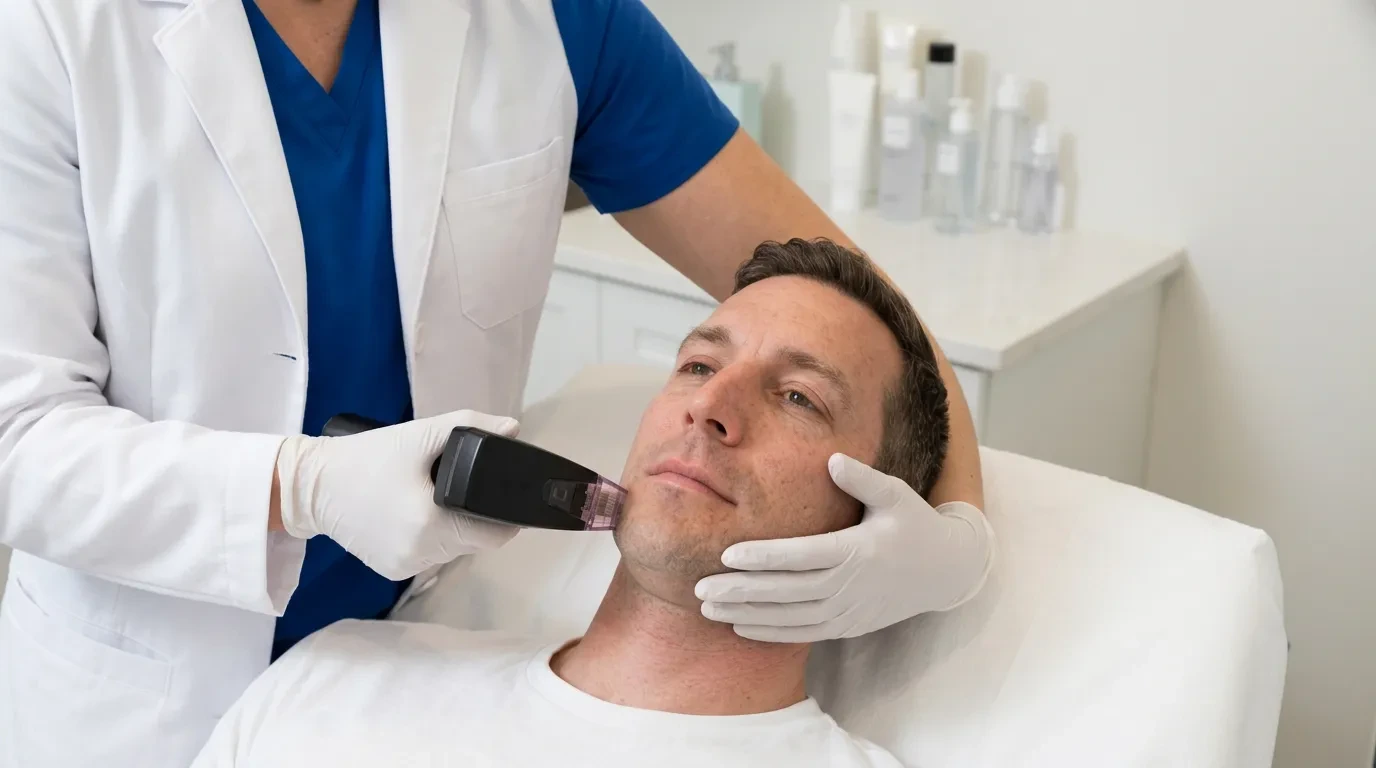
Morpheus8
A treatment that tightens the skin from below rather than resurfacing the top of it. Like resurfacing, it is aimed at the skin itself and not at muscle or volume.
For fine crinkling where the aim is to tighten the skin rather than to change its surface. It is the other route for skin that has thinned and lost collagen, and for a deep line that has been there for years the honest answer is usually a combination.
Sun and years break down the collagen that supports the skin. Morpheus8 works beneath the surface to tighten it. It is delivered by the trained clinical team under Dr. Tumi's direction.
Morpheus8 builds its result over three to six months. The plan and timeline for your face are confirmed at the consultation.
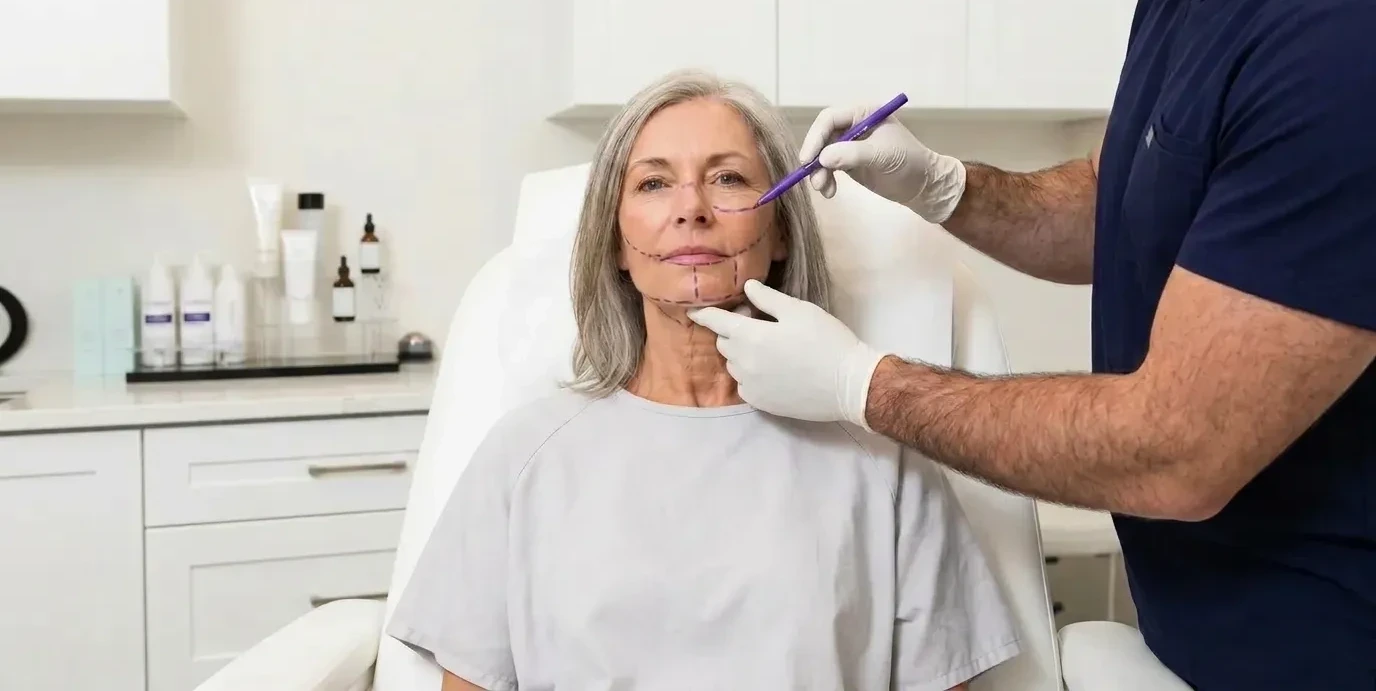
Face Lift
Surgery for lines that are no longer lines. When the skin has actually dropped, the lines are folds, and folds need lifting rather than smoothing.
For folds that are really dropped skin. Treating the skin's surface when the real problem is loose skin gives a smooth surface on a face that still looks tired, which is the most common way money is spent for the least change.
Lifting repositions skin that has dropped, so the fold is no longer there to cast a line. Dr. Tumi performs all surgery himself, and the surgeon who assesses you is the surgeon who operates.
About two weeks to a desk. A face lift typically holds for ten years or more.
Creams and serums improve hydration and can soften fine surface lines a little. They do not relax a muscle, replace volume or lift skin.
The consultation watches your face move, which is what decides whether a given line is muscle, volume, skin or a fold.
What to expect
A neuromodulator starts working at three to five days, is complete at two weeks and lasts three to four months. Filler shows its result once a few days of swelling settle and lasts nine to eighteen months depending on the area. Halo and Morpheus8 build their result over three to six months, and Sculptra over two to three months after a short course. A face lift is about two weeks to a desk and typically holds for ten years or more. The plan and timeline for your face are confirmed at the consultation. See before and after results
What will not fix it
Creams and serums improve hydration and can soften fine surface lines a little; they do not relax a muscle, replace volume or lift skin. A neuromodulator does nothing for a line that is etched in at rest or for a fold that is a shadow. Filler placed into an expression line without relaxing the muscle is pushed out again. And treating the skin's surface when the real problem is loose skin gives a smooth surface on a face that still looks tired. This is worth saying plainly, because it is where people spend the most money for the least change.
Cost
Fees are quoted at the consultation, once your face has been seen in motion. A neuromodulator, filler, resurfacing and surgery are different treatments at different prices. You receive the figure in writing. Not covered by OHIP. Financing available through Beautifi, Medicard and Credit Medical.
Financing
Not covered by OHIP. Financing available through Beautifi, Medicard and Credit Medical.
Who provides your care
Surgeon-led care you can verify
You are assessed by Dr. Kamal Tumi, M.D., F.R.C.S.(C), a board-certified plastic surgeon with more than 28 years in practice and over 3,500 surgeries performed, and a consultant plastic surgeon at Royal Victoria Regional Health Centre since 2004. The surgeon who assesses you is the surgeon who operates. Injectable treatment is performed by Dr. Tumi himself. Non-surgical treatment is delivered by our trained clinical team under his direction, including Priscilla Carvalho, medical aesthetician, phlebotomist and skin therapist. Smoking materially affects healing for most procedures, which is why you will be asked about it. His CPSO registration is public and searchable.
“I will not do a surgery on you if you do not need it.”
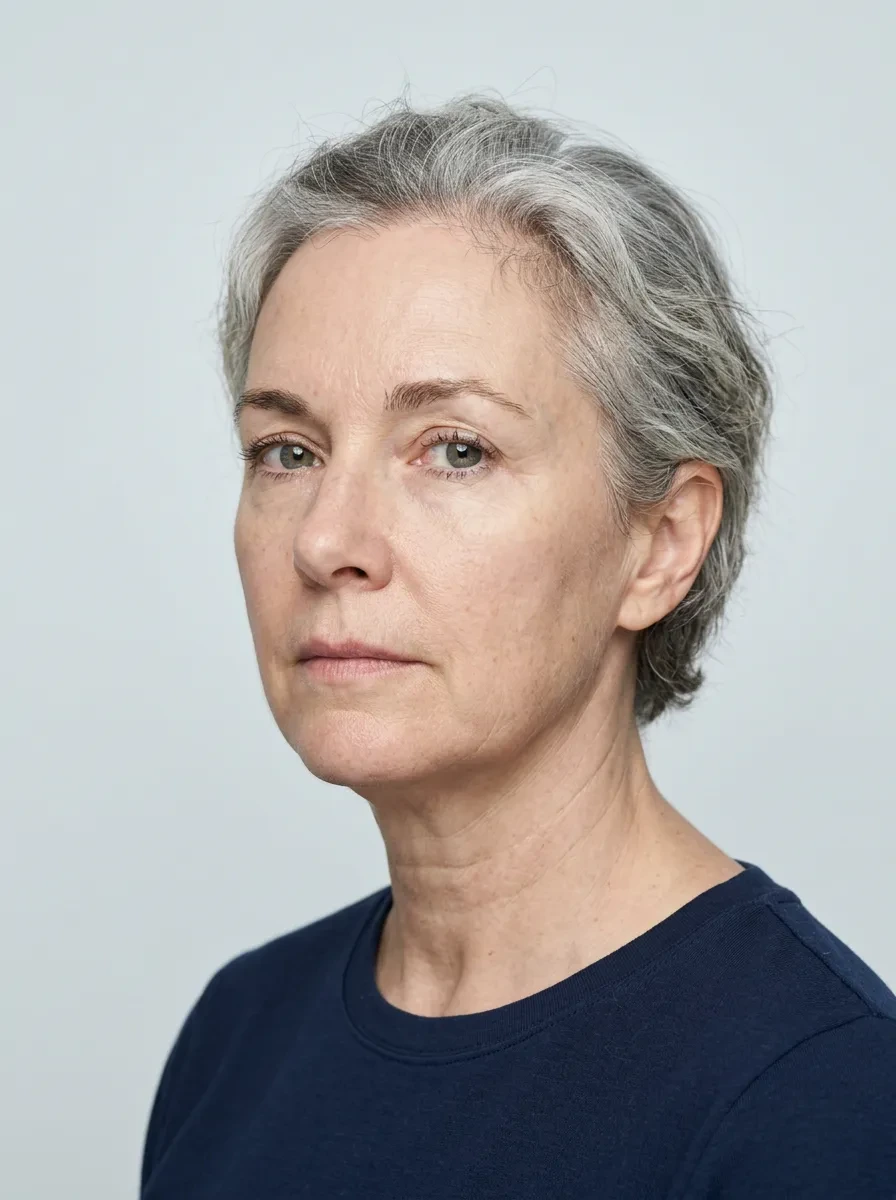
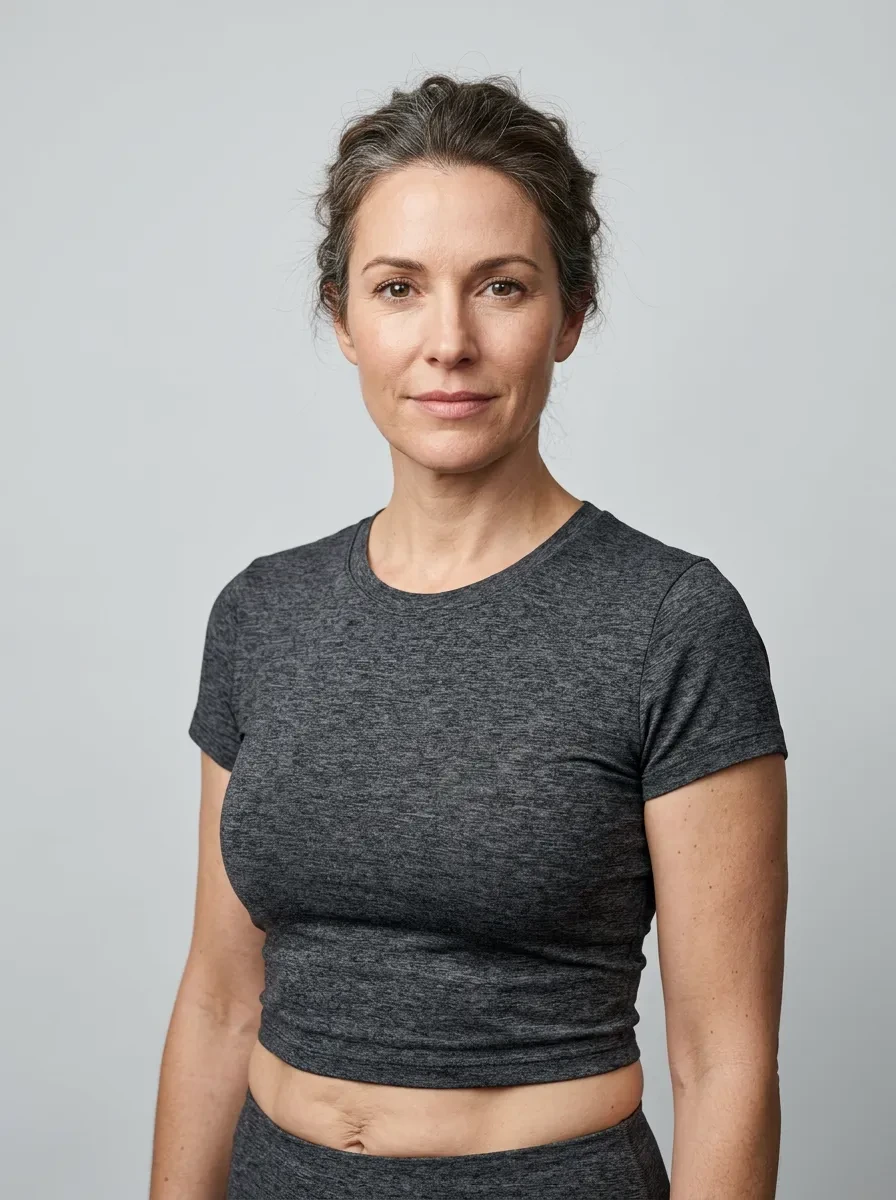
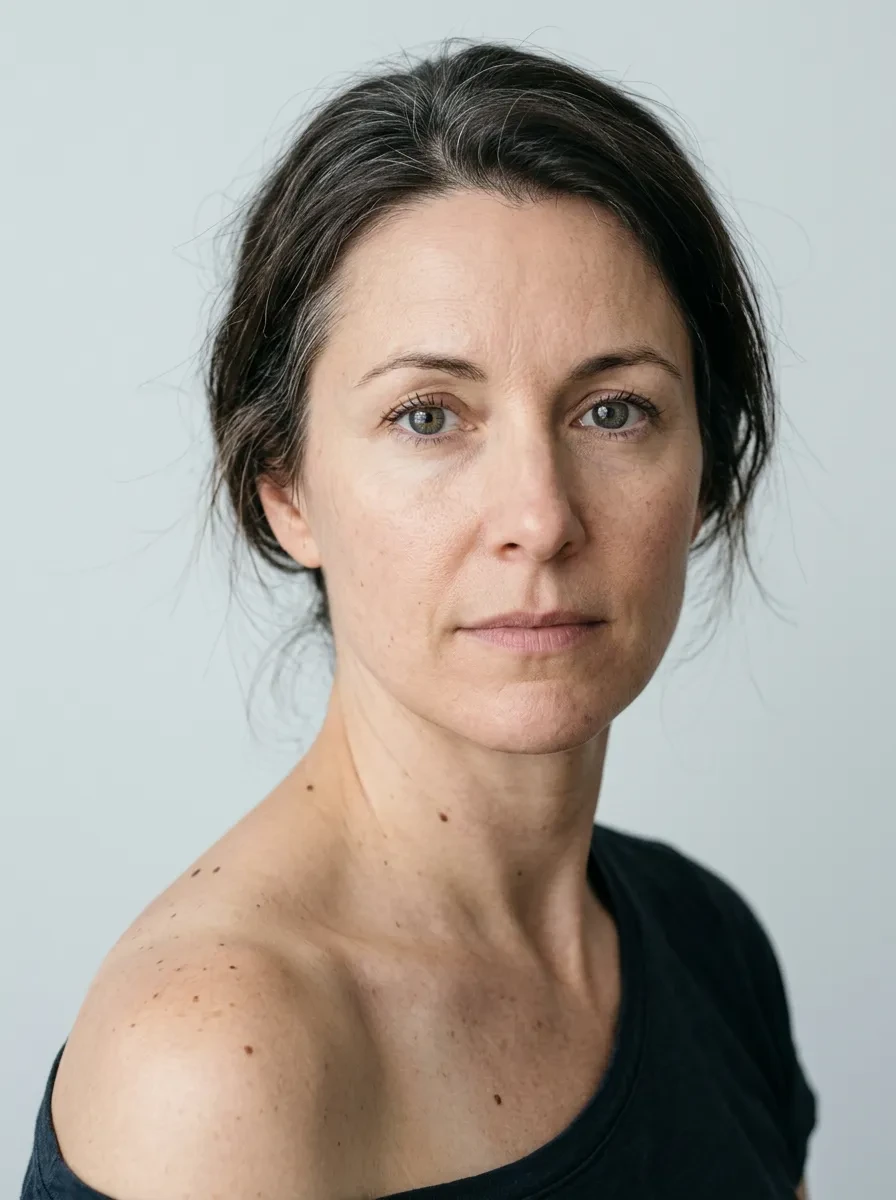
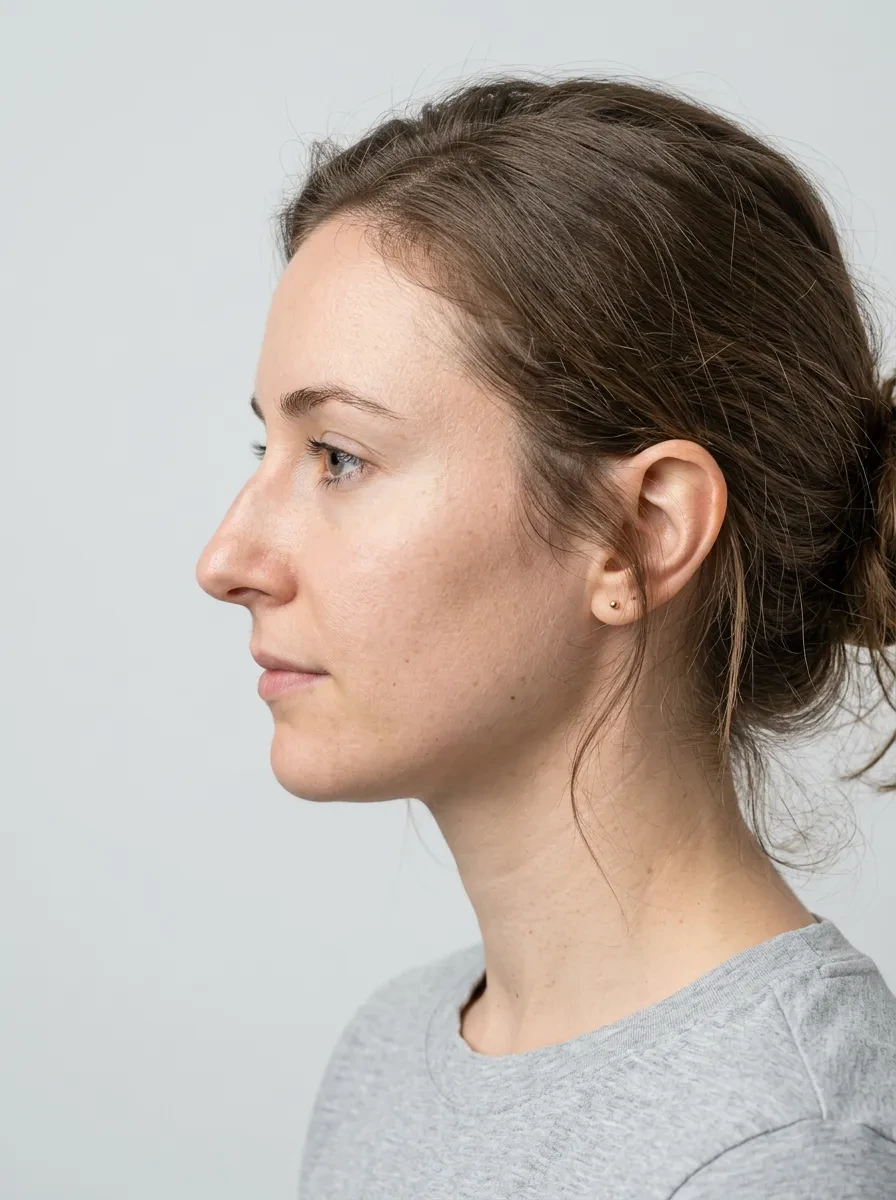
An assessment and a conversation.
You do not need to arrive knowing which procedure you want. Describing what bothers you is enough. You are not committing to surgery by booking a consultation.
FAQ
About Barrie Plastic Surgery
Yes. He holds an M.D. and is certified by the Royal College of Physicians and Surgeons of Canada as a specialist in plastic surgery. That certification separates a plastic surgeon from a physician who offers cosmetic treatment. He has been a consultant plastic surgeon at Royal Victoria Regional Health Centre since 2004.
In everyday use they are used interchangeably, and both terms describe most of what we do. Strictly, plastic surgery is the recognized surgical specialty, which includes reconstructive work. Cosmetic surgery describes procedures done to change appearance. Dr. Tumi is qualified in the specialty.
It depends on the procedure. Some, including upper eyelid surgery, are done in our own office under local anesthetic. Larger procedures are booked in an operating room, and which setting applies to you is confirmed at your consultation.
Yes. Male patients are a normal part of the practice. Eyelid surgery and gynecomastia are the usual reasons, and skin procedures are common too. ---
Unit 24, 222 Mapleview Drive West in Barrie, just off Highway 400 at the Mapleview exit. Consultations, injectables and the office procedures happen here. Operations that need a general anesthetic are done at Royal Victoria Regional Health Centre, where Dr. Tumi has been a consultant plastic surgeon since 2004.
Dr. Tumi performs facial, breast and body surgery. Skin procedures are part of the practice too: mole removal, skin cancer removal, scar revision. On the non-surgical side he injects the neuromodulators and fillers himself. Laser, CoolSculpting, Morpheus8 and skin treatments are delivered by the clinical team under his direction.
Yes, for anything surgical, and for most non-surgical treatment too. The consultation is an examination and a conversation. Dr. Tumi looks at what is actually causing what you see, tells you what can and cannot be changed, and gives you a written quote afterwards. You are not asked to decide on the day.
Dr. Tumi performs every surgery and every injection himself. The surgeon who assesses you is the surgeon who operates. Laser, CoolSculpting, Morpheus8 and skin treatments are delivered by the clinic's trained clinical staff, under his direction.
Yes. Cosmetic procedures are not covered by OHIP, and we work with three financing providers: Beautifi, Medicard and Credit Medical. Every quote is given in writing at the consultation, so you know the full figure before you decide anything.
Dr. Tumi examines the area himself. He explains what he finds in plain language, including what he would not recommend, and offers the smaller option where one exists. You leave with a written quote and time to think. If nothing surgical is the honest answer, you will be told so.